
Sundarbans Overview
Sundarbans Overview
What Is the Sundarbans?
The Sundarbans is a vast tidal mangrove landscape at the meeting point of land, rivers and the Bay of Bengal. Stretching across Bangladesh and India, it forms one interconnected ecological region shaped by tides, river flow, sediment, monsoon rainfall and the sea. The Bangladeshi portion, known as the Sundarbans Reserved Forest, is the country’s great natural wilderness and an internationally significant refuge for wildlife and mangrove biodiversity.
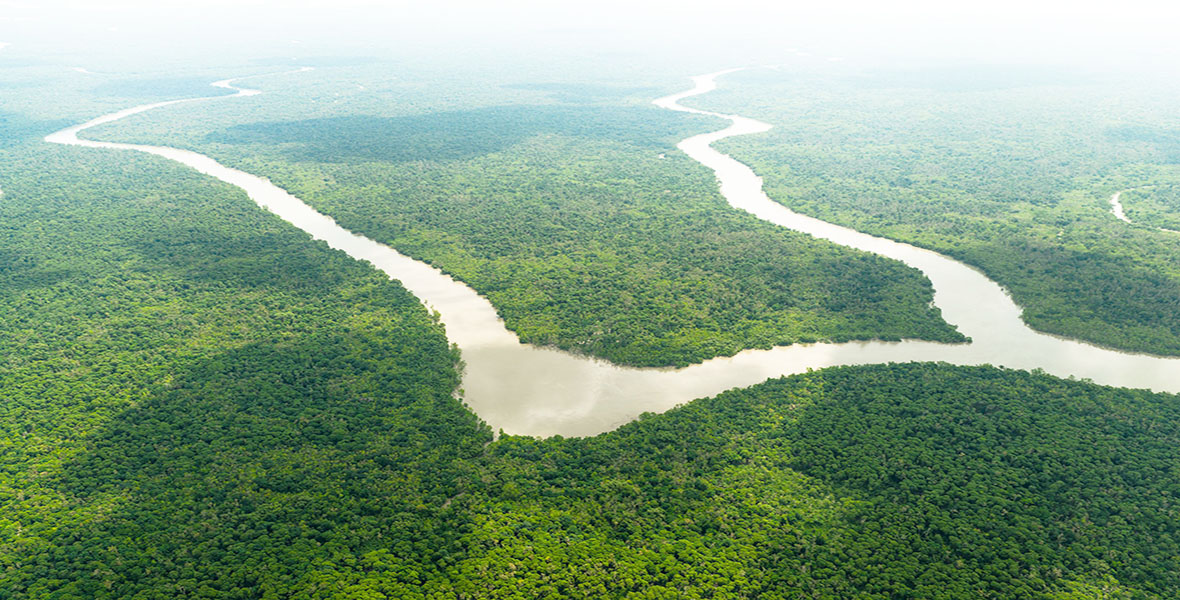
More than a conventional forest, the Sundarbans is a living mosaic of islands, mudflats, creeks, tidal rivers, wetlands and salt-tolerant vegetation. Water is central to the landscape: channels rise and fall with the tide, shorelines shift through erosion and sediment deposition, and many habitats are accessible primarily by boat. This constantly changing environment is one of the reasons the Sundarbans is so ecologically distinctive.
For international travelers, the Sundarbans offers an opportunity to experience a landscape where wildlife, waterways, mangrove ecology and human livelihoods are closely connected. A meaningful visit is therefore not only about searching for a tiger; it is about understanding an entire living ecosystem.
Why Is the Sundarbans Important?
The global importance of the Sundarbans comes from the combination of its scale, ecological processes and biological richness. UNESCO recognizes the Bangladeshi World Heritage property for its outstanding examples of ongoing natural processes and exceptional biodiversity. The World Heritage property was inscribed in 1997 under criteria related to ecological processes and biodiversity.
The forest also performs important natural functions for the wider coastal region. Mangrove vegetation can reduce the force of waves and storm surges, stabilize shorelines, trap sediments and provide habitat for fish and other aquatic organisms. The broader ecosystem also supports livelihoods around its edges, including people involved in fishing, honey collection and other forest- and river-dependent activities.
Its importance extends beyond Bangladesh. The Sundarbans is part of a globally significant mangrove system and provides habitat for threatened species, including the Royal Bengal Tiger, estuarine crocodile and several important aquatic and bird species. Protecting the Sundarbans therefore matters not only for tourism, but also for biodiversity, climate resilience, coastal communities and the natural heritage of the Bengal delta.
A Brief History and Heritage
The history of the Sundarbans is closely tied to the changing delta, the development of forest administration and the long relationship between coastal communities and forest resources. The area has been formally protected through forest legislation for well over a century. The Sundarbans were first gazetted as reserved forests in 1878, while the three wildlife sanctuaries that form the Bangladeshi World Heritage property were established in 1977.
The Sundarbans was inscribed on the UNESCO World Heritage List in 1997. The listed property includes the Sundarbans West, Sundarbans South and Sundarbans East Wildlife Sanctuaries. Together, these protected areas represent a core part of the Bangladeshi Sundarbans and its exceptional natural values.
Yet the heritage of the Sundarbans is not only administrative or ecological. It is also cultural. Generations of people living around the forest have developed knowledge of tides, waterways, seasons, fishing grounds, honey collection and the practical realities of life beside a powerful and unpredictable landscape. Understanding this human relationship adds depth to any journey through the forest.
Size, Extent and Landscape
The Sundarbans is part of the Ganges–Brahmaputra–Meghna delta, one of the world’s great delta systems. UNESCO describes the broader Sundarbans World Heritage setting as a vast landscape of land and water divided by an intricate network of tidal waterways, mudflats and mangrove-covered islands.
For clarity, it is useful to distinguish between the wider transboundary Sundarbans ecosystem, the Bangladesh Sundarbans Reserve Forest and the smaller UNESCO World Heritage property within Bangladesh. These terms are related but are not interchangeable. The Bangladeshi Reserve Forest is much larger than the UNESCO-listed property, while the overall Sundarbans ecosystem extends across the international boundary into India.
The landscape itself is low-lying and dynamic. Tidal water, sediment movement, erosion and deposition continually influence the shape of channels and islands. This physical dynamism is fundamental to the ecology of the forest and helps explain why the Sundarbans looks and feels different from a conventional terrestrial national park.
Rivers, Tides and the Mangrove Ecosystem
Water is the organizing force of the Sundarbans. Rivers, creeks and tidal channels connect the forest to the Bay of Bengal and create a constantly changing mixture of freshwater and saline influences. Twice-daily tidal cycles can alter water levels dramatically, while seasonal rainfall and upstream river discharge influence salinity and sediment movement.
The mangrove ecosystem has evolved around these conditions. Mangrove plants possess specialized adaptations that allow them to survive waterlogged soils, fluctuating salinity and low-oxygen sediments. Their roots help anchor sediment and create complex habitats for fish, crabs, molluscs and other organisms.
Ecologically, the Sundarbans functions as an interconnected system rather than a collection of isolated attractions. A channel, mudflat, mangrove & vegetation stand, fish nursery and wildlife habitat can all be part of the same ecological process. This is why responsible travel in the Sundarbans should prioritize low-impact movement, respect for wildlife and careful treatment of waterways and shorelines.
Wildlife and Biodiversity
The Sundarbans is renowned for the Royal Bengal Tiger, but its wildlife story is far broader. The forest and its waterways support mammals, birds, reptiles, amphibians, fish, crustaceans and other forms of life. UNESCO records hundreds of wildlife species within the World Heritage property and highlights the importance of species such as the Bengal tiger, estuarine crocodile, Ganges and Irrawaddy dolphins, and the endangered river terrapin.
Birdlife is one of the most rewarding aspects of a Sundarbans journey. Forest birds, raptors, waterbirds and kingfishers can be encountered along rivers, creeks and forest edges. Wildlife sightings are naturally unpredictable, which is part of the character of a genuine wilderness experience.
The Royal Bengal Tiger deserves special attention because the Sundarbans is an exceptional tiger habitat. These tigers have adapted to a complex mangrove environment where swimming, tidal waterways and dense vegetation are part of the landscape. Visitors should never expect a guaranteed sighting. The ethical goal is to observe wildlife without disturbing it and to appreciate the forest whether or not a particular animal appears.
People, Livelihoods and Village Life
The Sundarbans cannot be understood only through its trees and animals. The local communities living around the forest have developed livelihoods connected to rivers, wetlands and forest resources. Fishermen, honey collectors, crab collectors, boatmen and other local workers have knowledge shaped by tides, seasons, weather and the practical challenges of working near a powerful wilderness.
Honey collection, for example, is associated with the traditional work of mouals, who enter the forest during the permitted collection season and face real environmental risks. Fishing and crab collection likewise connect household economies with the tidal waterways and surrounding coastal landscape.
For responsible tourism, these communities should be presented as people with knowledge, aspirations and dignity - not simply as attractions. Community-based experiences can create meaningful cultural exchange when they are designed with consent, fair compensation and respect for local customs. Iconic Ecotourism’s long-term vision can use storytelling to help international visitors understand the human dimension of the Sundarbans alongside its wildlife and ecology.
Why Visit the Sundarbans?
A journey to the Sundarbans is fundamentally different from a conventional sightseeing trip. Instead of moving from one monument to another, visitors enter a living landscape where the experience unfolds through waterways, changing light, bird calls, tidal movement, mangrove forests and the possibility of encountering wildlife.
The destination is particularly compelling for wildlife enthusiasts, birdwatchers, photographers, nature lovers, researchers and travelers interested in responsible and community-based tourism. It can also appeal to people who want to experience rural and river-based life in Bangladesh beyond the country’s major cities and heritage landmarks.
The strongest reason to visit is not a promise of a particular animal sighting. It is the opportunity to experience one of the world’s most distinctive mangrove environments and to learn how wildlife, water, forests and communities are connected. A well-designed journey can leave visitors with both memorable experiences and a deeper understanding of why this landscape deserves protection.
Best Time to Visit the Sundarbans
The most suitable time for a Sundarbans trip depends on the traveler’s priorities, weather conditions and the operating season of the chosen tour. In general, the cooler and drier months are often more comfortable for extended travel by boat, while different seasons can bring different wildlife, birding and photographic opportunities.
Visitors should also understand that the Sundarbans is a weather-sensitive destination. Rain, tides, river conditions and tropical storms can affect travel plans. The timing of forest access, permits and local operating conditions should therefore be confirmed before departure rather than assumed from a generic travel calendar.
For an international audience, the best approach is to provide a regularly updated seasonal guide on the website. That guide should explain weather, wildlife expectations, birding conditions, photography, river conditions and practical considerations month by month. To learn more about this, please visit When and how to visit the Sundarbans.
What to Expect on a Sundarbans Journey
Travel in the Sundarbans is a wilderness experience, not a conventional city tour. Much of the journey takes place on waterways, and daily routines are influenced by tides, weather and forest regulations. Travelers should be prepared for early starts, long periods of observation, changing river conditions and the possibility that wildlife may remain hidden.
Comfort levels vary according to the boat, itinerary and style of expedition. Visitors should clarify accommodation, meals, sanitation, electricity, mobile connectivity, guide arrangements and transportation before booking. A professional operator should also explain what is included, what is not included and what travelers should bring.
Most importantly, expectations should be realistic. The forest does not operate on a schedule, and no ethical tour operator can guarantee a tiger sighting. The value of the Sundarbans lies in the complete experience: the landscape, silence, waterways, wildlife, local knowledge and sense of entering a rare natural environment.
Responsible Tourism and Conservation
The future of the Sundarbans depends on responsible management and responsible visitors. The ecosystem faces pressures associated with storms and cyclones, saline intrusion, sediment dynamics, habitat change, illegal exploitation and broader climate-related risks. Recent scientific research has also examined changes in mangrove composition and fragmentation, reinforcing the importance of long-term monitoring and conservation.
Conservation and responsible ecotourism should therefore minimize disturbance and maximize local benefit. Visitors can contribute by following forest regulations, keeping a respectful distance from wildlife, avoiding litter, reducing unnecessary plastic, respecting local communities and choosing operators that work transparently with local people.
For Iconic Ecotourism, responsible tourism should be more than a marketing phrase. It can become a measurable operating principle: supporting local employment, using local services where appropriate, encouraging respectful cultural exchange, educating travelers about conservation and continuously improving environmental practices. The aim is to ensure that tourism contributes to the long-term value of the destination rather than treating the forest as a consumable attraction.
Practical Information: Permits, Safety and Access
Access to the Sundarbans is regulated, and visitors should travel through authorized arrangements that comply with the relevant forest and tourism requirements. Entry rules, permits, routes and operational conditions can change, so current requirements should always be confirmed before a trip.
Safety in the Sundarbans begins with respecting the environment. Travelers should follow their guide and boat crew, remain within permitted areas, avoid approaching wildlife, use appropriate personal protection from sun and insects, and follow instructions during changing weather or river conditions. The presence of tides, strong currents, remote locations and wild animals makes professional guidance particularly important.
A strong travel-information system on the Iconic Ecotourism website should keep practical details updated rather than publishing permanent figures that may become outdated. Separate pages can later provide current information on how to reach the Sundarbans, permits, packing lists, health and safety, boat facilities, communications and frequently asked questions.
The Sundarbans as a Responsible Ecotourism Destination
The Sundarbans offers a rare opportunity to connect nature tourism with conservation and community-based experiences. Its value is not limited to the chance of seeing a Royal Bengal Tiger; it lies in experiencing a functioning mangrove ecosystem and understanding the relationship between the forest and the people living around it.
For Iconic Ecotourism, this creates an opportunity to build journeys around three connected ideas: wilderness, people and responsibility. Visitors can explore the forest, learn about mangrove ecology, observe wildlife, meet communities where appropriate and understand the conservation challenges facing the region.
A responsible Sundarbans experience should leave a positive legacy. Travelers should return home with stronger awareness of mangrove ecosystems, respect for the communities of coastal Bangladesh and a clearer understanding of why protecting the Sundarbans matters. This is the foundation on which sustainable, community-based ecotourism can grow.
Are you thinking of Sundarbans Experience in your mind?
Let's find a perfect Experience for you..
Explore Specialist Doctor Directories in Bangladesh
Finding the right specialist physician is now easier than ever. Browse through our recommended online doctor directories to access verified chamber locations, phone numbers, and appointment schedules across major cities in Bangladesh:
- Find detailed lists of expert physicians and medical specialists across Khulna at Doctor All Khulna.
- Discover top-rated doctors, visiting hours, and serial booking details on Top Doctor Khulna.
- Access verified chamber addresses and consultant listings via Doctor Khulna.
- Explore reliable regional healthcare services and practitioner info on Doctor Khulna Net.
- Check out patient-recommended specialist profiles and clinic information at Best Doctor Khulna.
- Locate leading hospital consultants and specialist doctors in the capital at Doctor Dhaka.
- Search for top surgeons, medicine experts, and diagnostics in Dhaka city using Dhaka Doctor.
- Find chamber locations and phone numbers for leading physicians on Doctor Rajshahi.
- Explore specialist doctor directories and medical resources in Rangpur at Doctor Rangpur.