The Magical Sundarbans: Where Wilderness Whispers and Nature Breathes
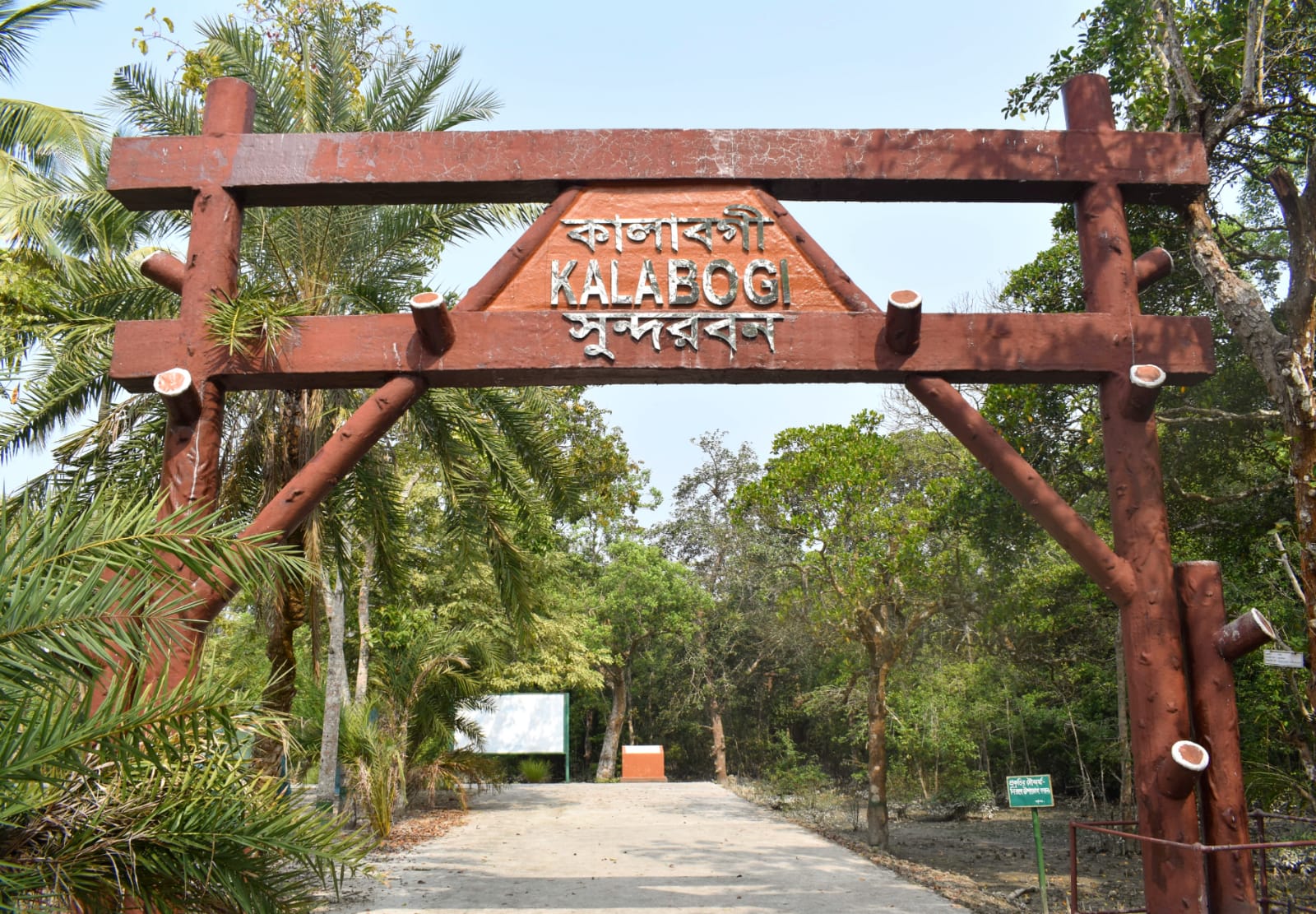
The Sundarbans—the world’s largest mangrove forest—stands as one of the most enchanting natural wonders on Earth. Spread across the delta of the Ganges, Brahmaputra, and Meghna rivers, this UNESCO World Heritage Site is a living masterpiece sculpted by tides, rivers, and centuries of ecological harmony. Its vast green canopy, winding tidal channels, and untamed wilderness create an atmosphere that feels both mystical and deeply alive. The moment one enters the forest, a sense of ancient magic unfolds—where every rustle of leaves or ripple on the water tells a story of nature’s timeless power.
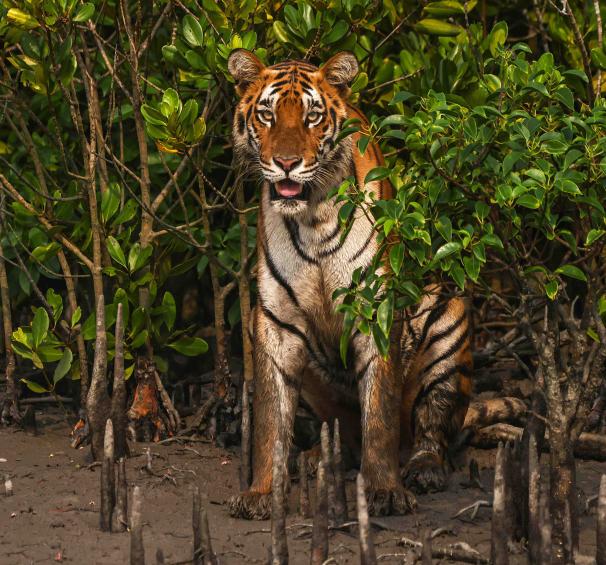
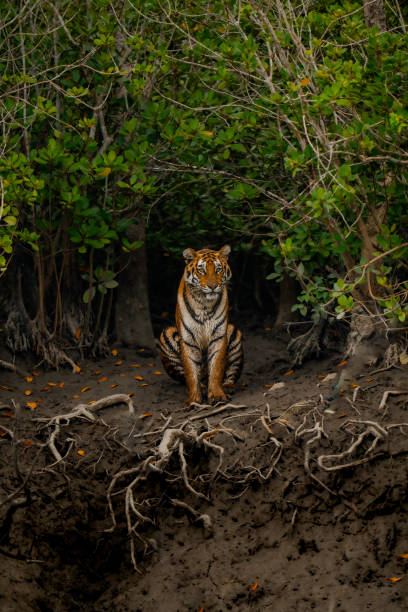
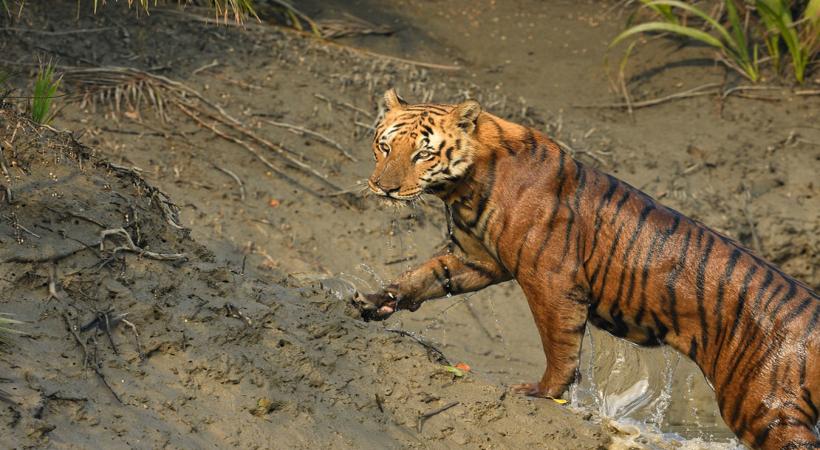
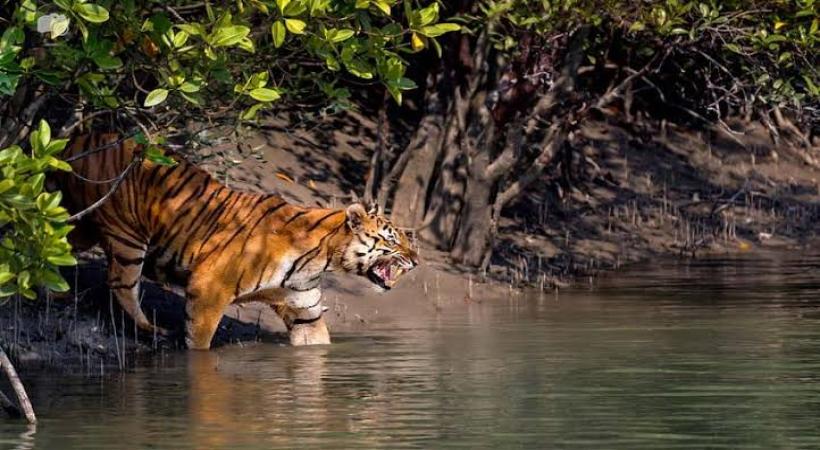
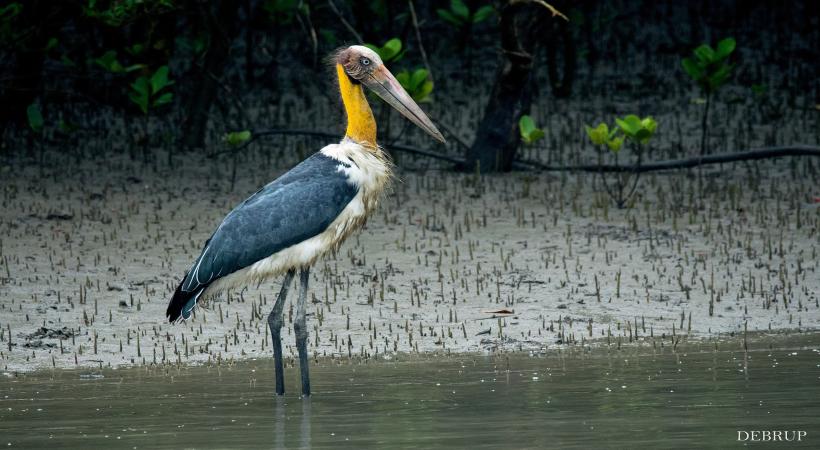
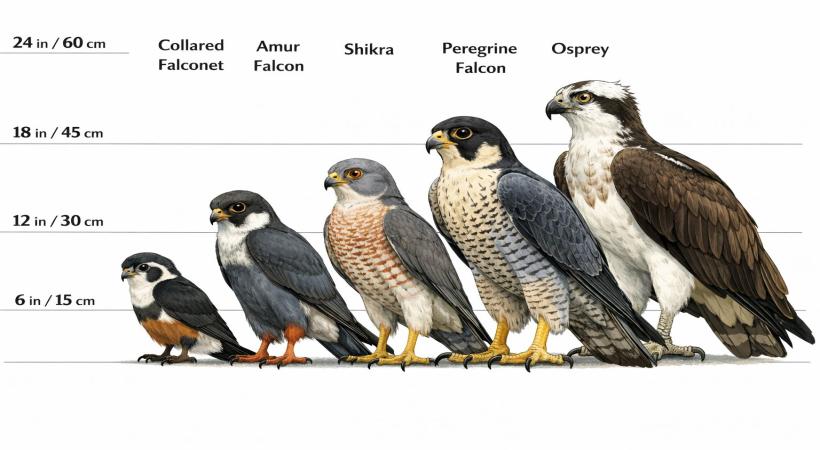
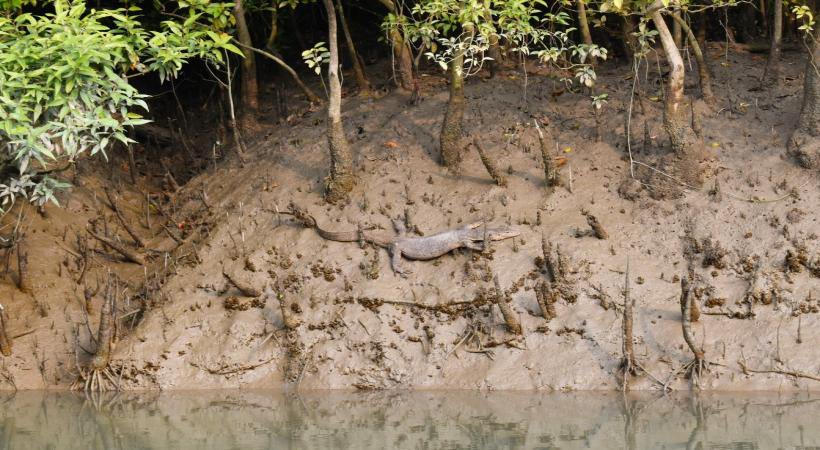
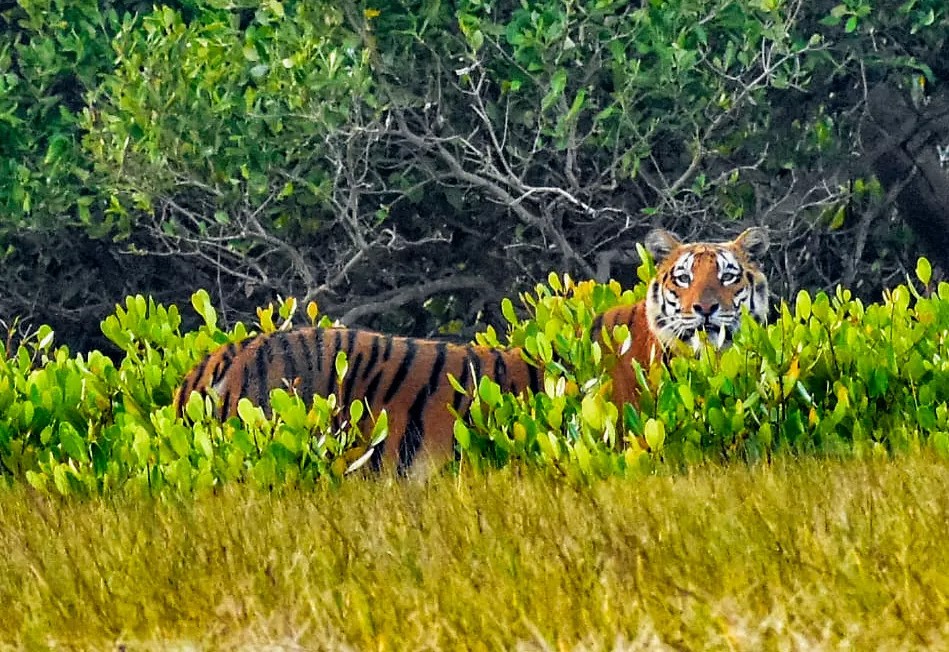
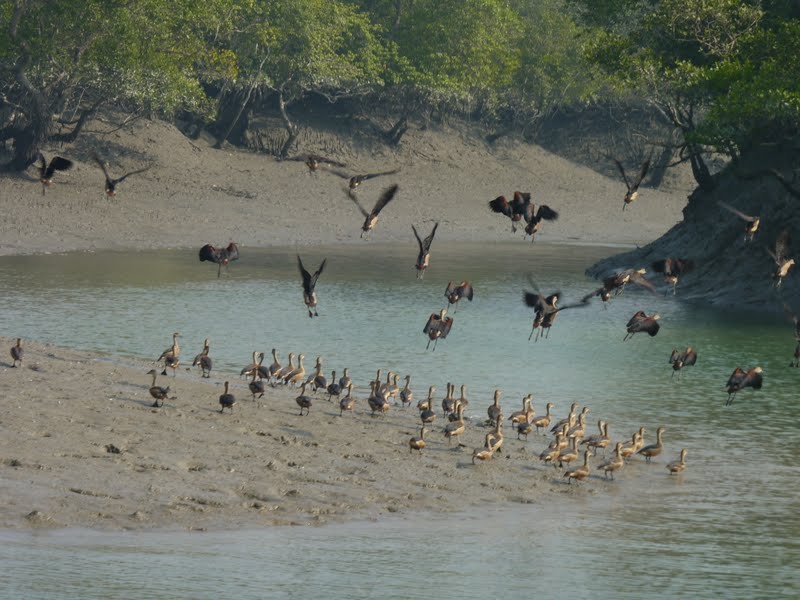
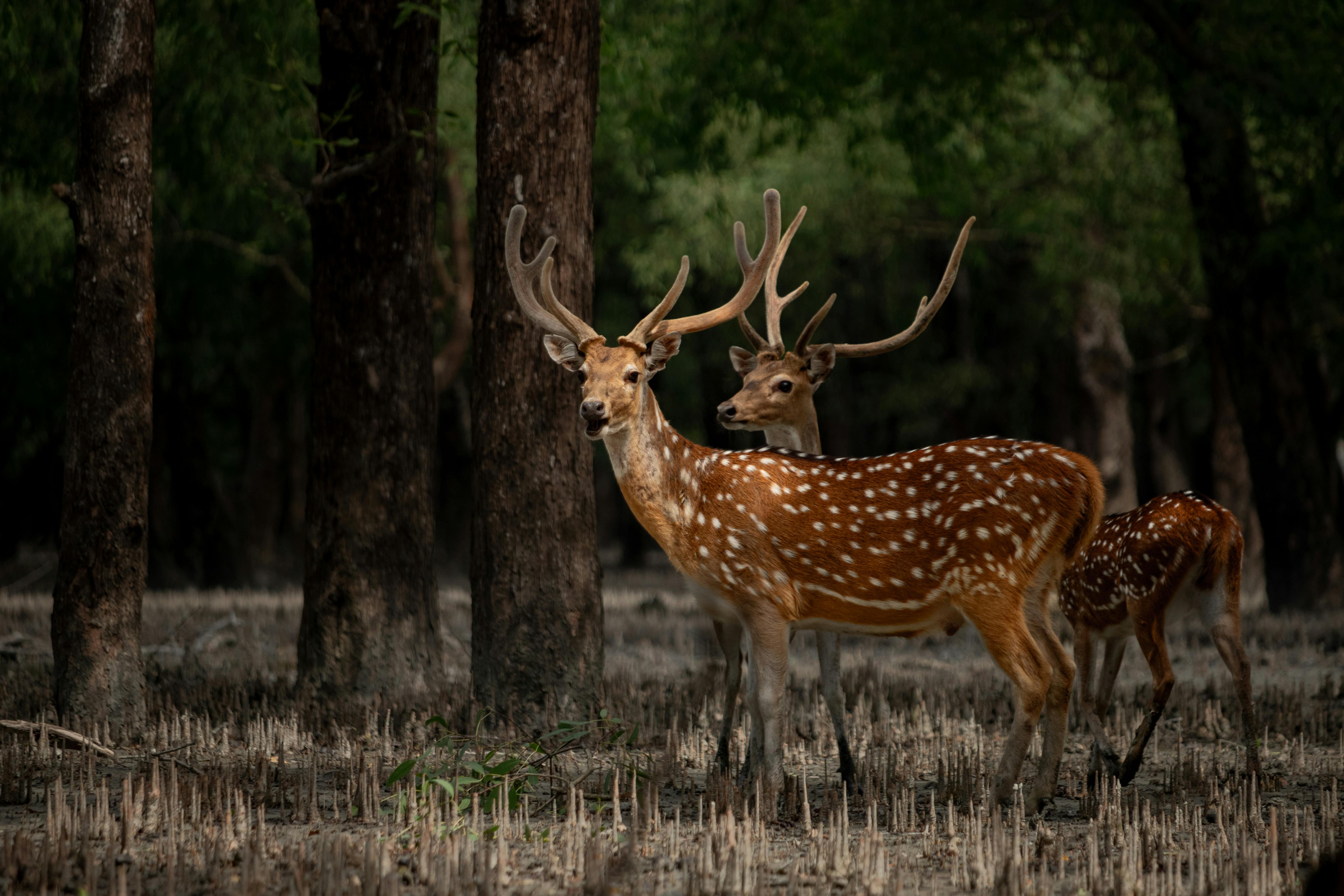
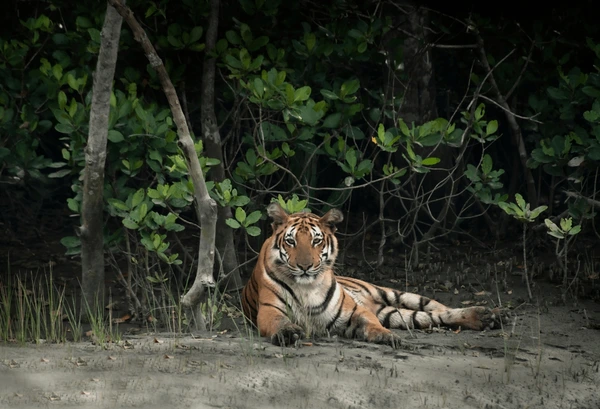
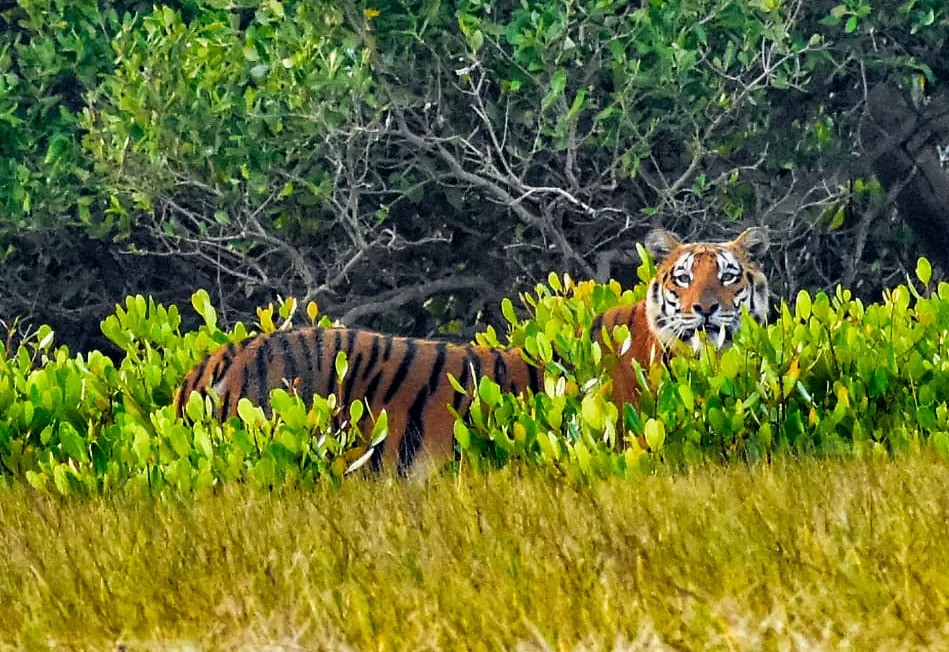
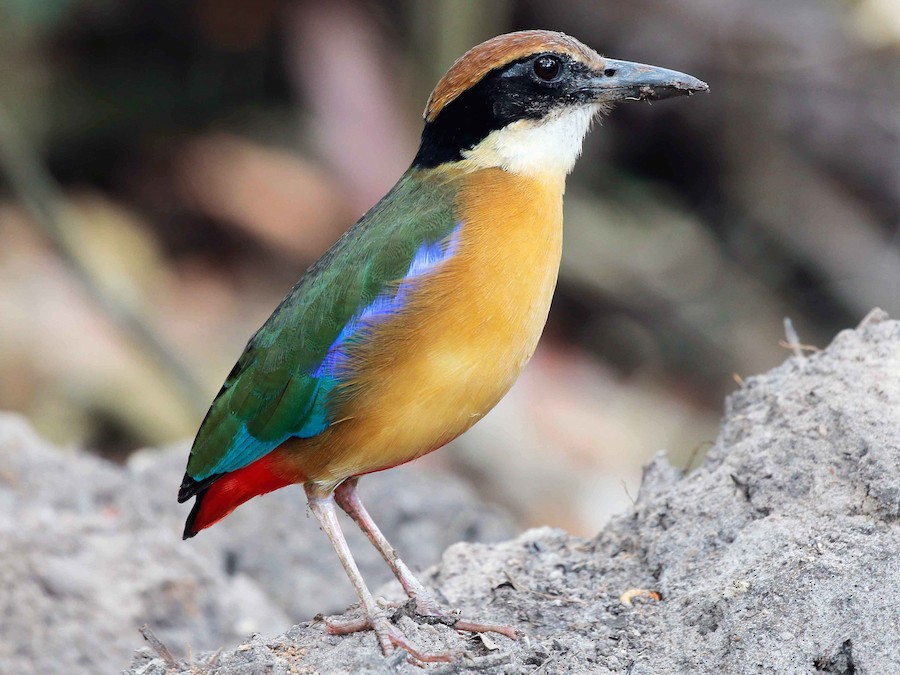
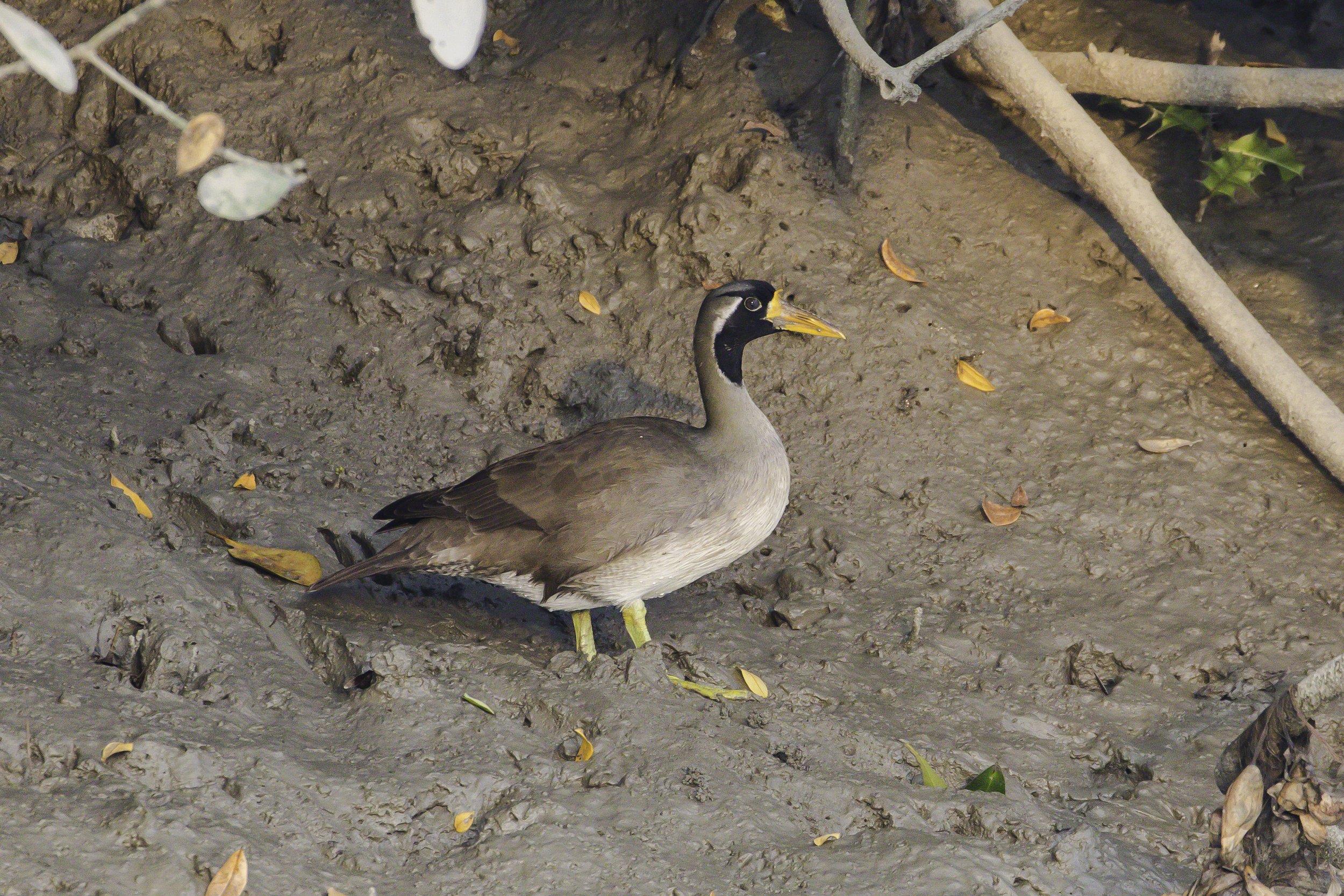
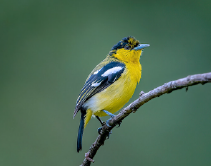
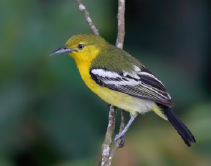
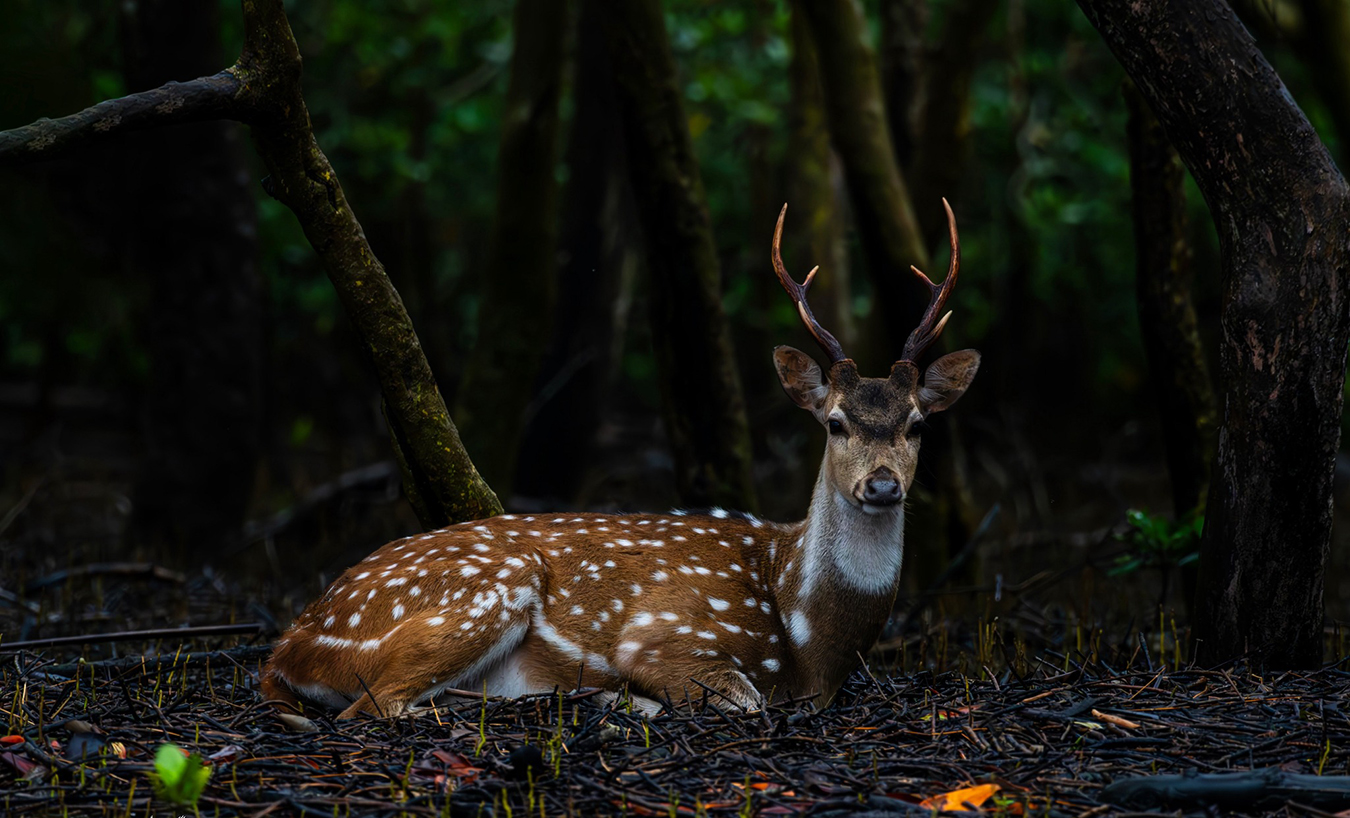
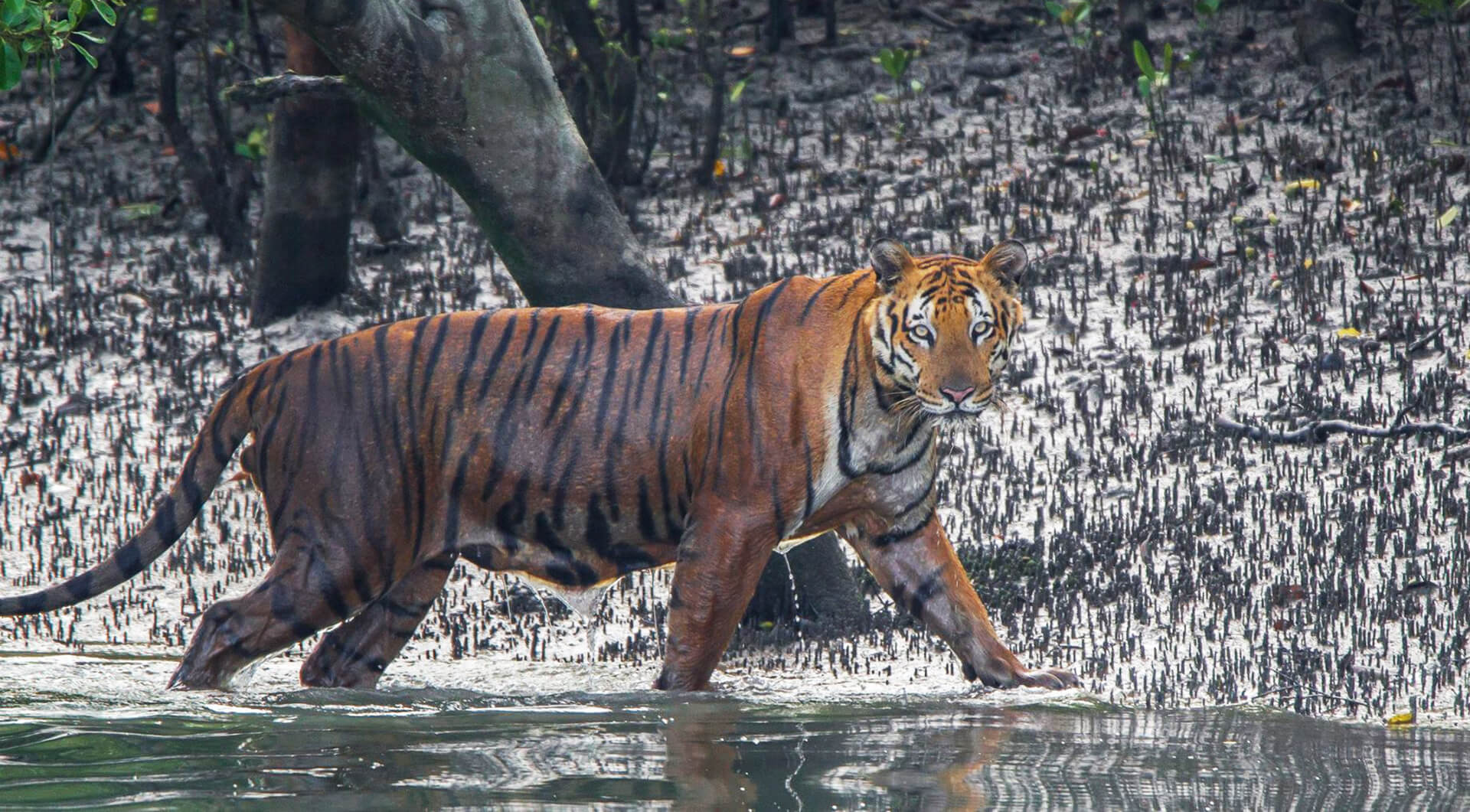
What makes the Sundarbans magical is not just its landscape, but the extraordinary biodiversity that thrives within it. Home to the majestic Royal Bengal Tiger, spotted deer, crocodiles, otters, wild boars, and hundreds of bird species, the forest thrives as a sanctuary for wildlife. Its network of creeks and canals creates hidden corridors where animals roam freely, often appearing silently and unexpectedly. Mangrove trees, with their exposed roots and intricate formations, stand like guardians of the forest, adapting to the tides and protecting the land from cyclones, erosion, and rising seas. This unique ecosystem showcases nature’s resilience in its purest form.
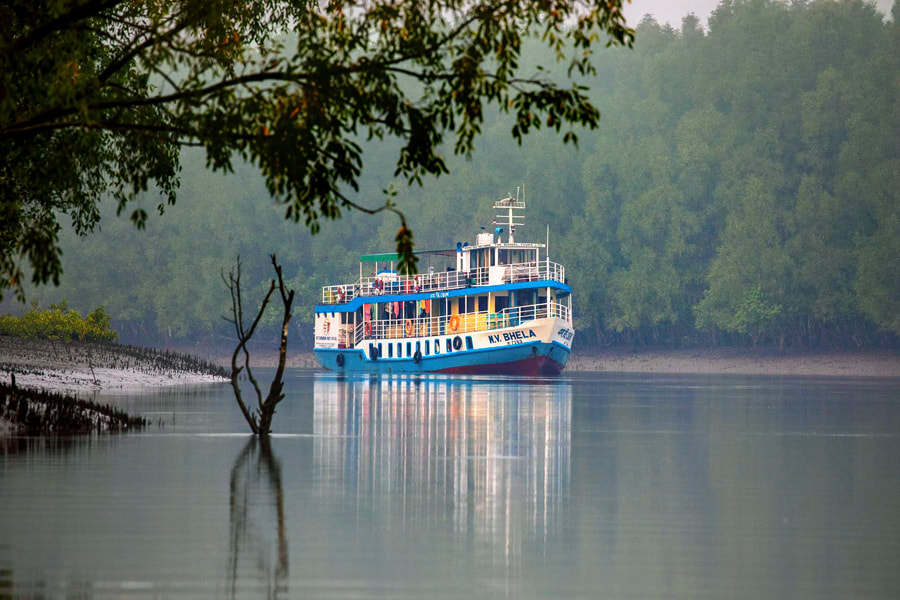
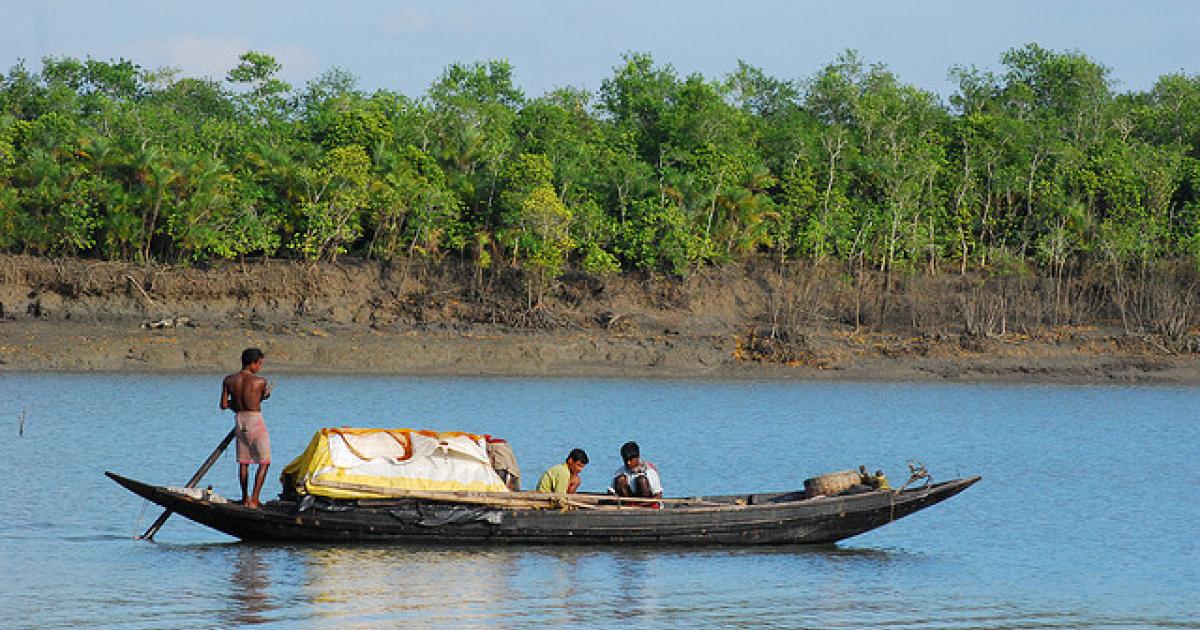
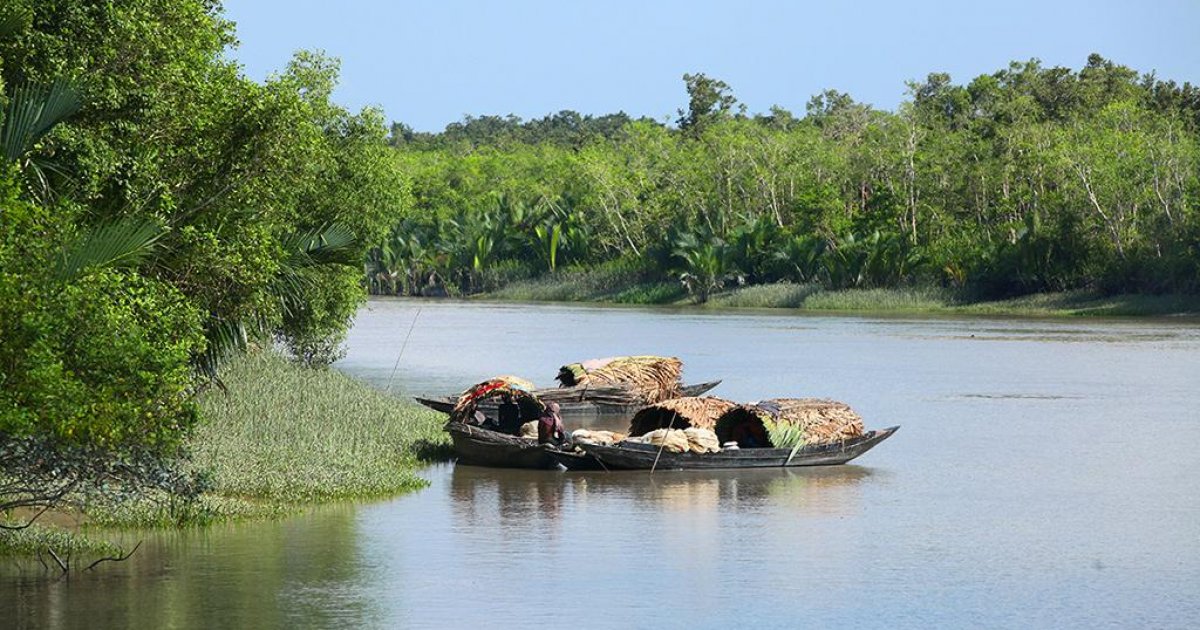
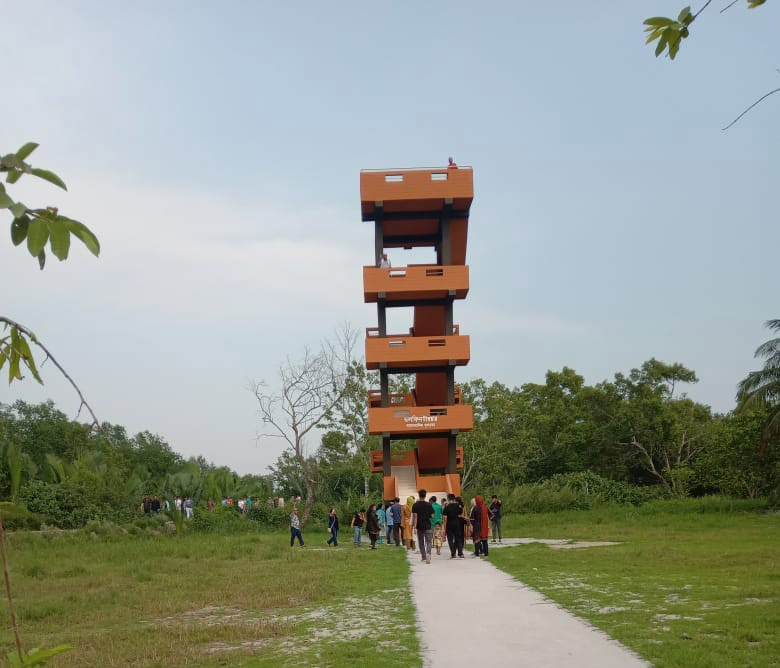
For travelers, the Sundarbans offers an experience unlike any other. Cruising through its narrow canals feels like drifting into a world untouched by time. Sunbeams pierce through dense branches, glittering on the water as kingfishers dive and eagles soar overhead. Every bend in the channel reveals a new scene—mudflats dotted with crabs, deer grazing by the riverbanks, or dolphins surfacing playfully in the open waters. Whether it’s the golden sunrise that breaks over the horizon or the haunting silence of dusk, the forest casts a spell that stays with visitors long after they leave.
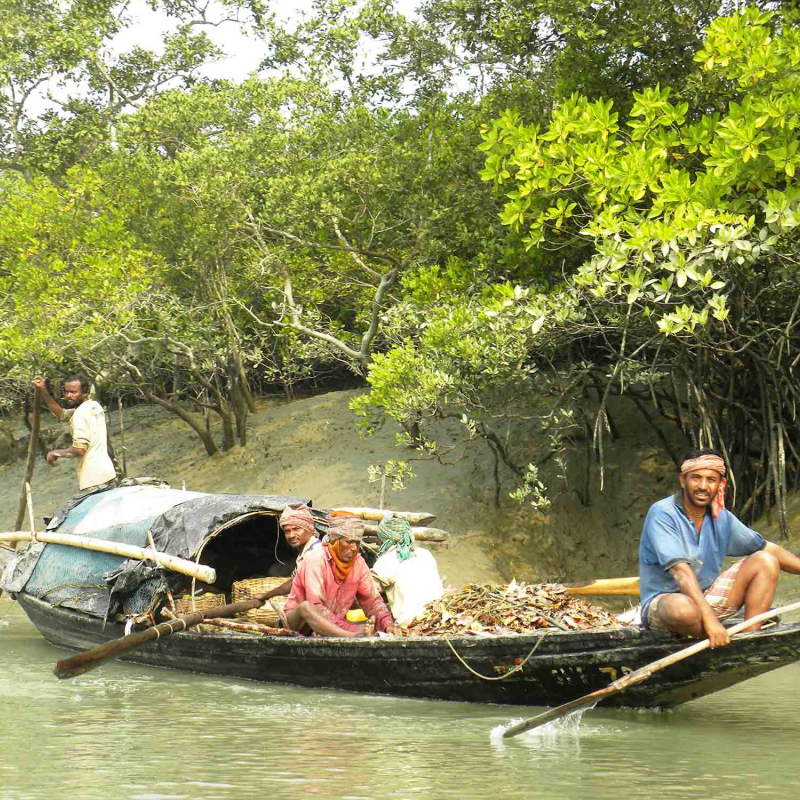
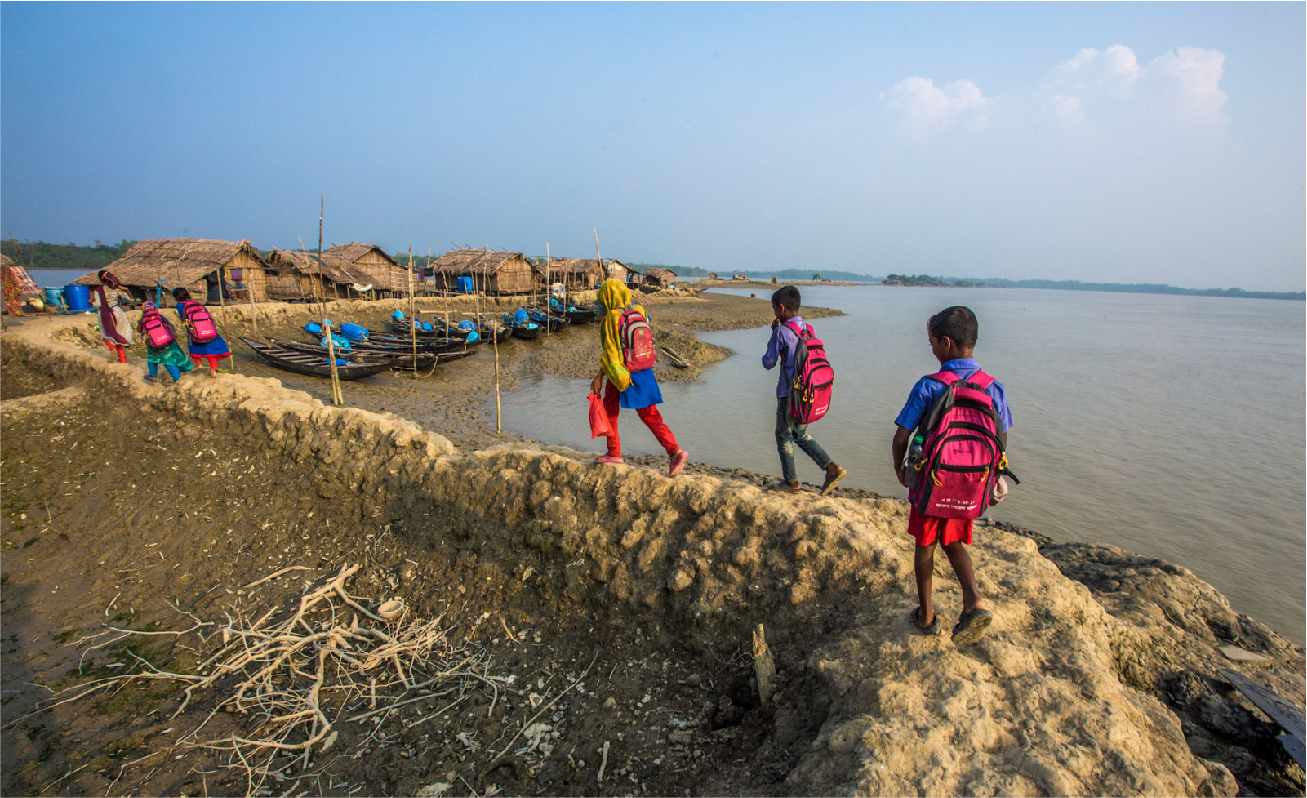
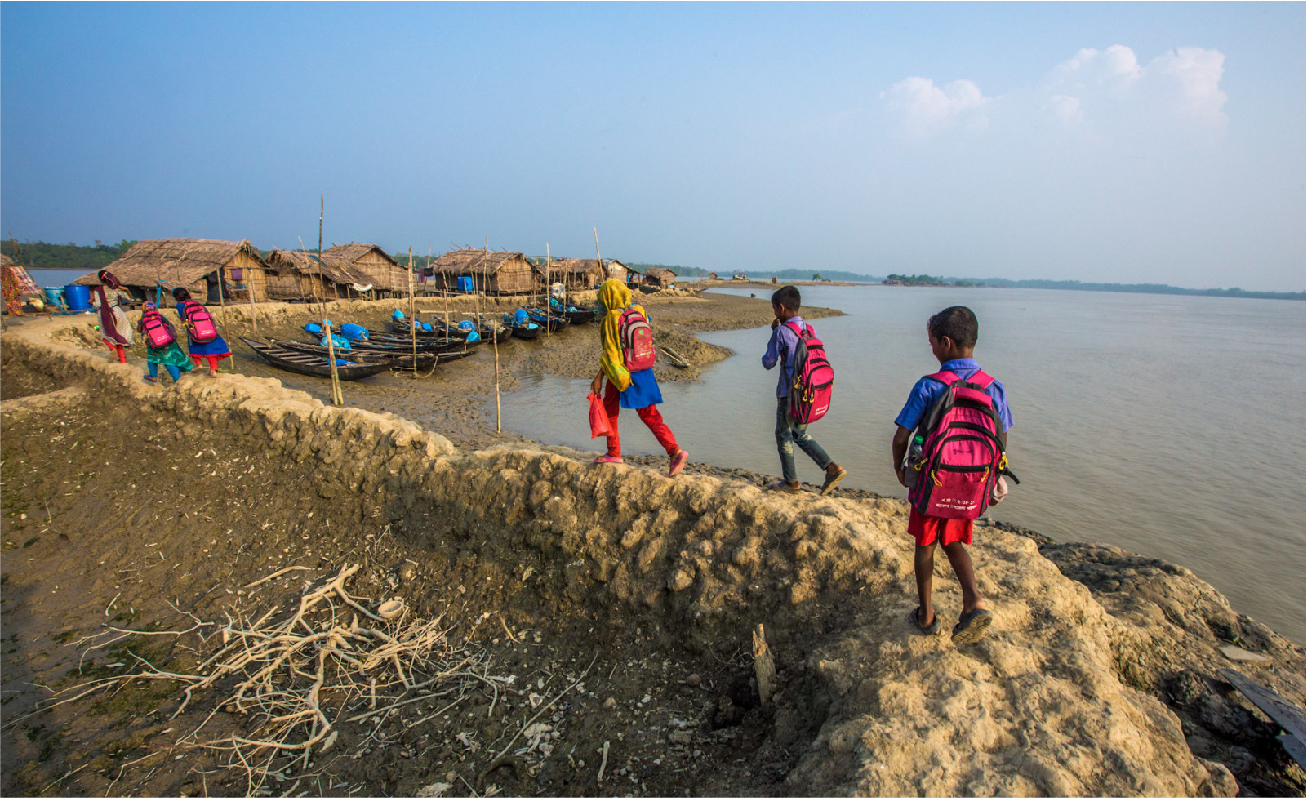
The Sundarbans is also a place shaped by culture, heritage, and human resilience. Generations of forest-dependent communities—fishermen, honey collectors, crab catchers—live in close bond with this wild landscape. Their traditions, beliefs, and daily struggles reflect a remarkable harmony with nature. Festivals like Rash Mela on Dubla Island and age-old rituals honoring the forest goddess Bonbibi highlight the deep spiritual connection people have with the Sundarbans. These communities are the living heartbeat of the forest, carrying stories that enrich the region’s identity.
Above all, the Sundarbans is a reminder of the delicate balance between humans and nature. It protects millions of coastal residents from natural disasters, supports rich biodiversity, and offers invaluable ecological services to the world. Yet, it remains vulnerable to climate change, rising salinity, and environmental pressures. Preserving the Sundarbans is not just a responsibility—it is a commitment to safeguarding one of the planet’s most magical landscapes. With its breathtaking beauty, untouched wilderness, and vibrant cultural spirit, the Sundarbans continues to inspire awe, reminding us that some places on Earth are truly enchanted.