
Blog Details
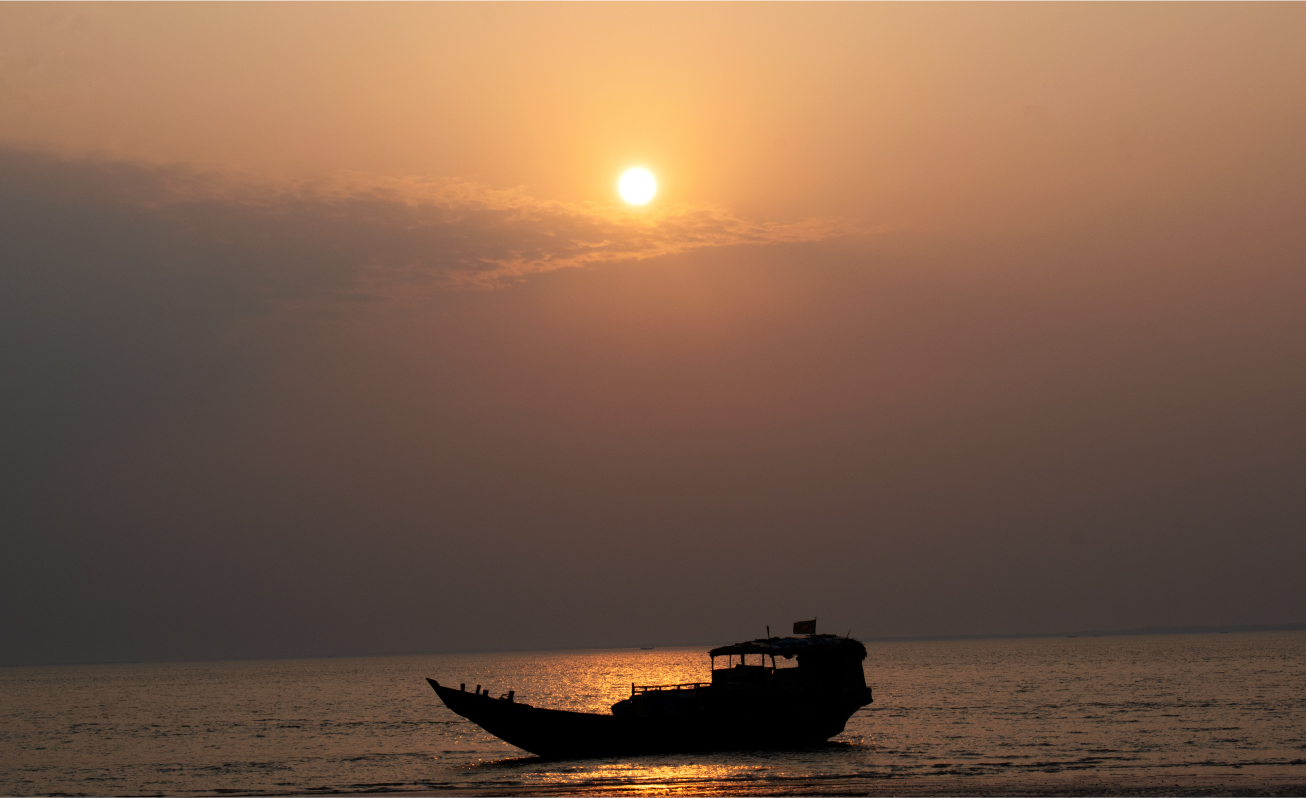
Dubla Islan: Life of the the fishermen
Dubla Island, located at the southern edge of the Sundarbans where the Bay of Bengal meets the largest mangrove forest on Earth, is a world of its own - remote, raw, and breathtaki...
Spotted Deer: The Jewel of the Sundarbans
The Spotted Deer, locally known as Chital, is one of the most graceful and iconic inhabitants of the Sundarbans. With its golden-brown coat adorned with delicate white spots, this...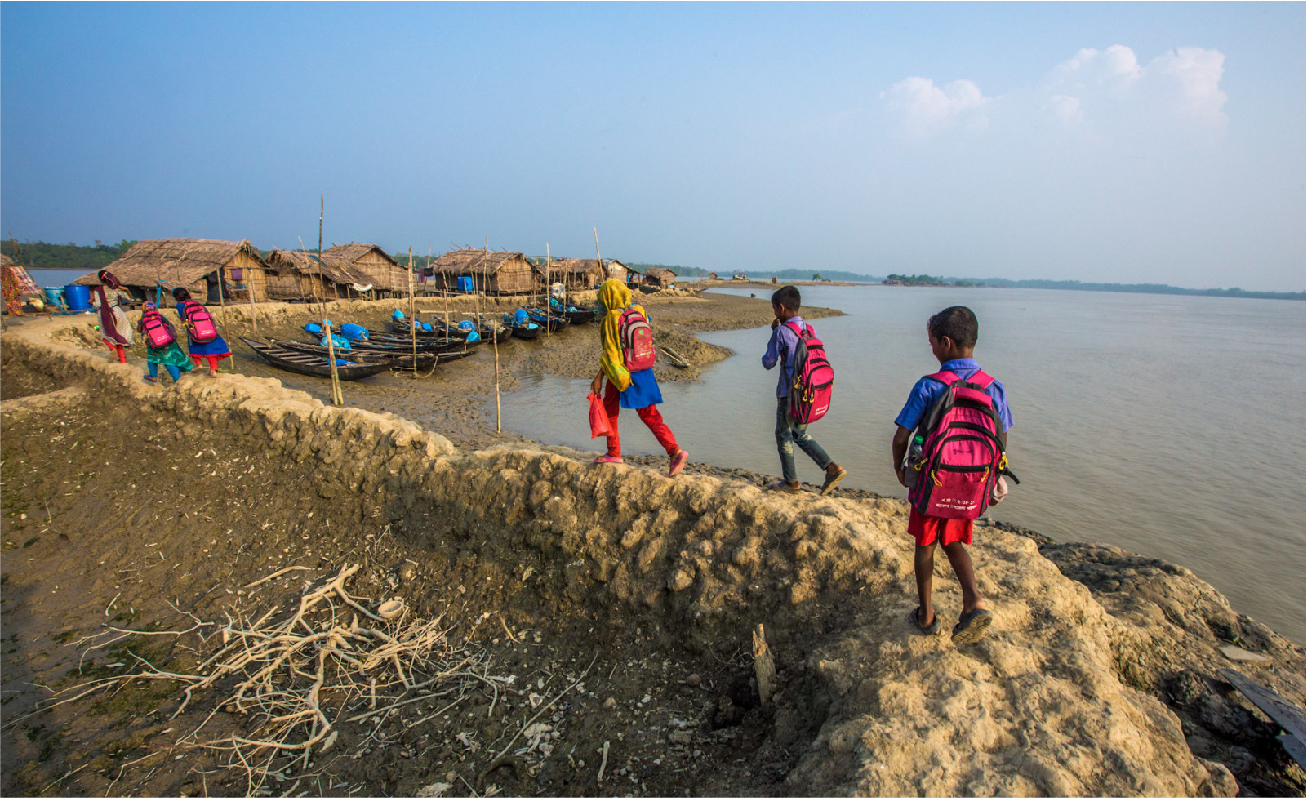
Kalabogi: The untold sorrows
Kalabogi is a small river-bound village standing quietly at the edge of the Sundarbans, carrying a history of loss, resilience, and silent endurance. Once connected to the mainland...Search
Categories
Latest News
-
Kalabogi: The untold sorr...
31 Oct 2025 -
Spotted Deer: The Jewel o...
31 Oct 2025 -
Dubla Islan: Life of the...
31 Oct 2025
Our Projects
Archives
Popular Tags
Kalabogi: The untold sorrows
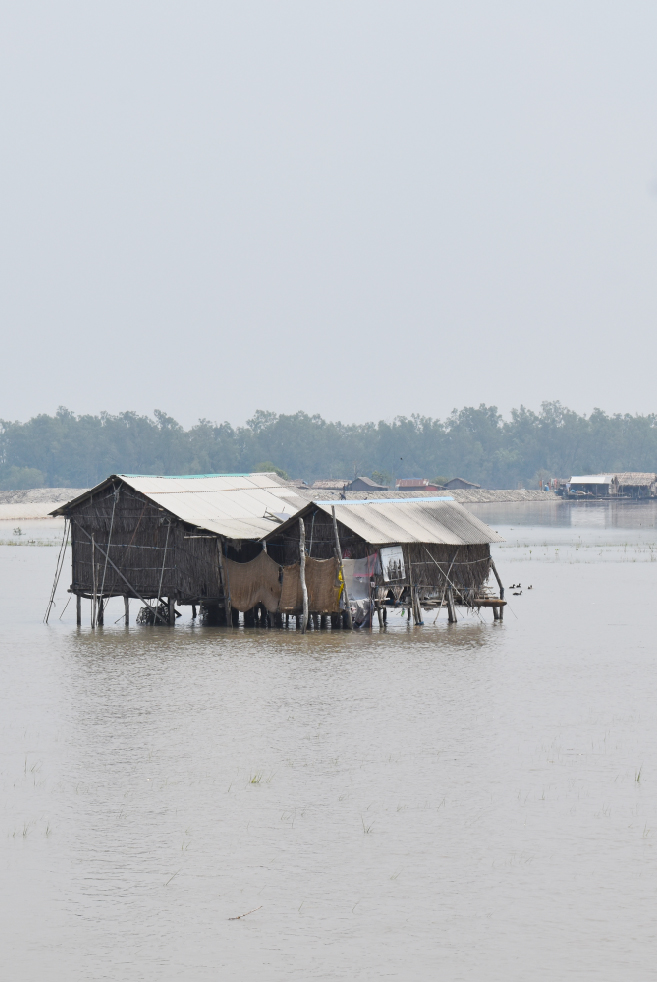
Kalabogi is a small river-bound village standing quietly at the edge of the Sundarbans, carrying a history of loss, resilience, and silent endurance. Once connected to the mainland by embankments and natural land corridors, Kalabogi has gradually become an isolated island due to relentless river erosion, tidal pressure, and repeated natural disasters. Today, water surrounds the village from all sides, cutting it off physically and socially from nearby settlements. For the people of Kalabogi, isolation is not just geographical - it shapes every aspect of daily life, from education and healthcare to livelihood and safety.
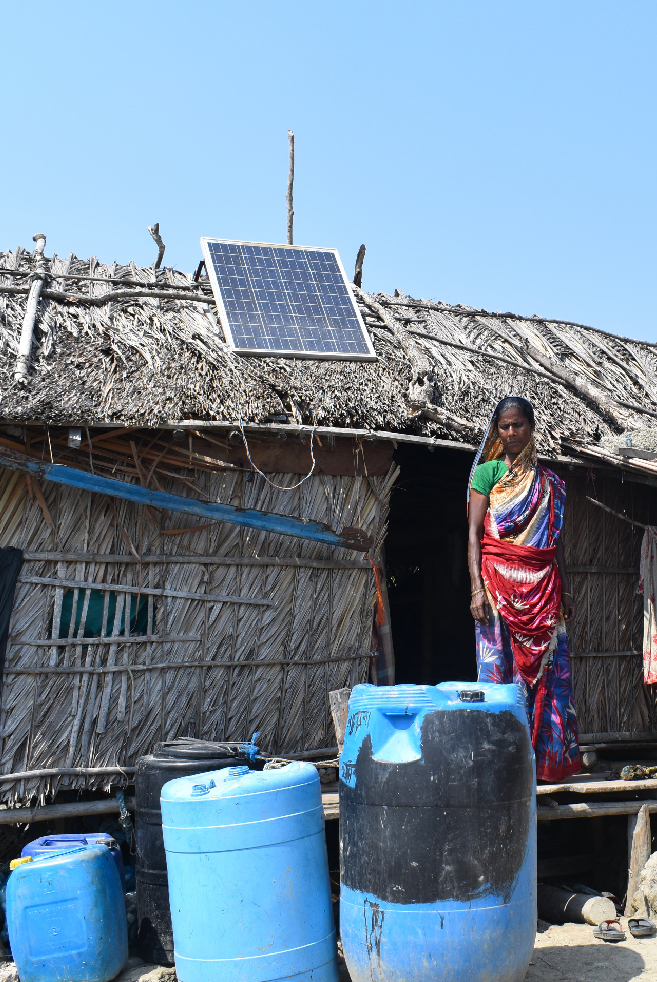
The struggle for freshwater defines everyday survival in Kalabogi. As saline water from tidal rivers seeps into ponds and soil, traditional freshwater sources have become unusable. There are no permanent freshwater reservoirs, and tube wells often produce saline or contaminated water. During the rainy season, families depend on rainwater harvesting, carefully storing water in drums and clay pots, knowing it must last through long dry months. When supplies run out, women and children travel by country boats to distant locations to collect drinkable water - sometimes risking strong currents and rough weather. This constant scarcity contributes to health problems, including skin infections, dehydration, and complications for pregnant women and elderly residents.
Education and healthcare facilities are almost nonexistent within the village. Kalabogi has no fully functional school, forcing children to travel long distances by boat to attend classes-an effort many families cannot sustain regularly. As a result, school dropout rates remain high, and generations grow up without formal education, limiting future opportunities. Healthcare access is even more challenging. There are no clinics or trained medical professionals in the village. In emergencies, patients must be transported by boat to distant health centers, often losing valuable time. For many families, minor illnesses turn into major threats simply because help is too far away.
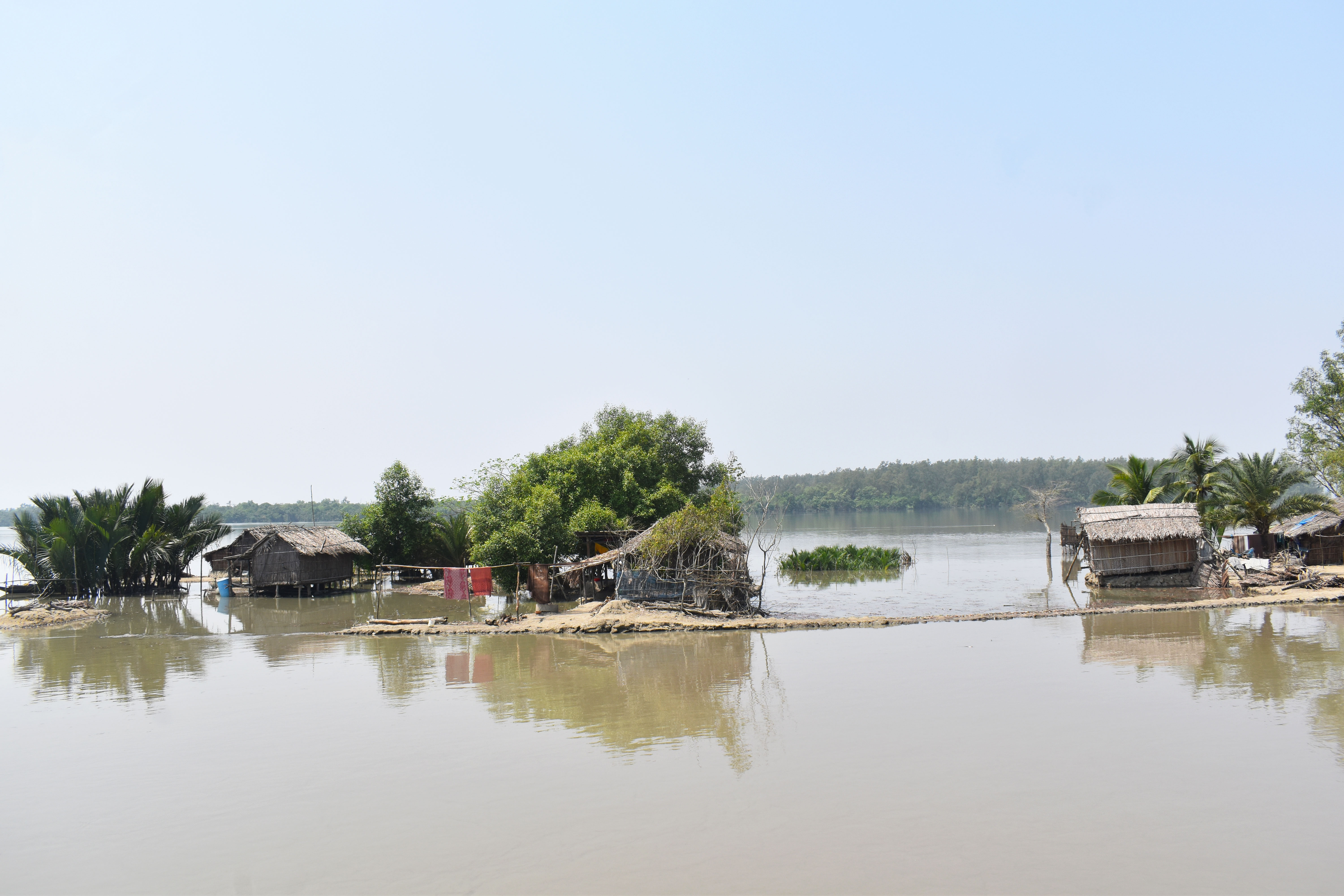
Floods and cyclones are recurring realities that repeatedly erase progress. Almost every year, high tides and storms break through fragile embankments, submerging homes and washing away belongings. Houses made of mud, bamboo, and thatch collapse easily under tidal pressure, forcing families to rebuild again and again with borrowed money. Fishing nets, boats, and household assets are frequently lost, pushing families deeper into debt. Many villagers can count the number of times they have rebuilt their homes - not once or twice, but many times over a lifetime. This cycle of destruction and rebuilding has become a permanent feature of life in Kalabogi.
Transportation in Kalabogi depends almost entirely on country boats. There are no roads, bridges, or motorized transport options connecting the village to markets or service centers. Boats serve as lifelines - used for carrying people, goods, water, and even the sick. During rough weather, movement becomes nearly impossible, cutting off the village completely. Markets are far away, making access to daily necessities costly and uncertain. This isolation also limits income opportunities, keeping the local economy small and vulnerable.
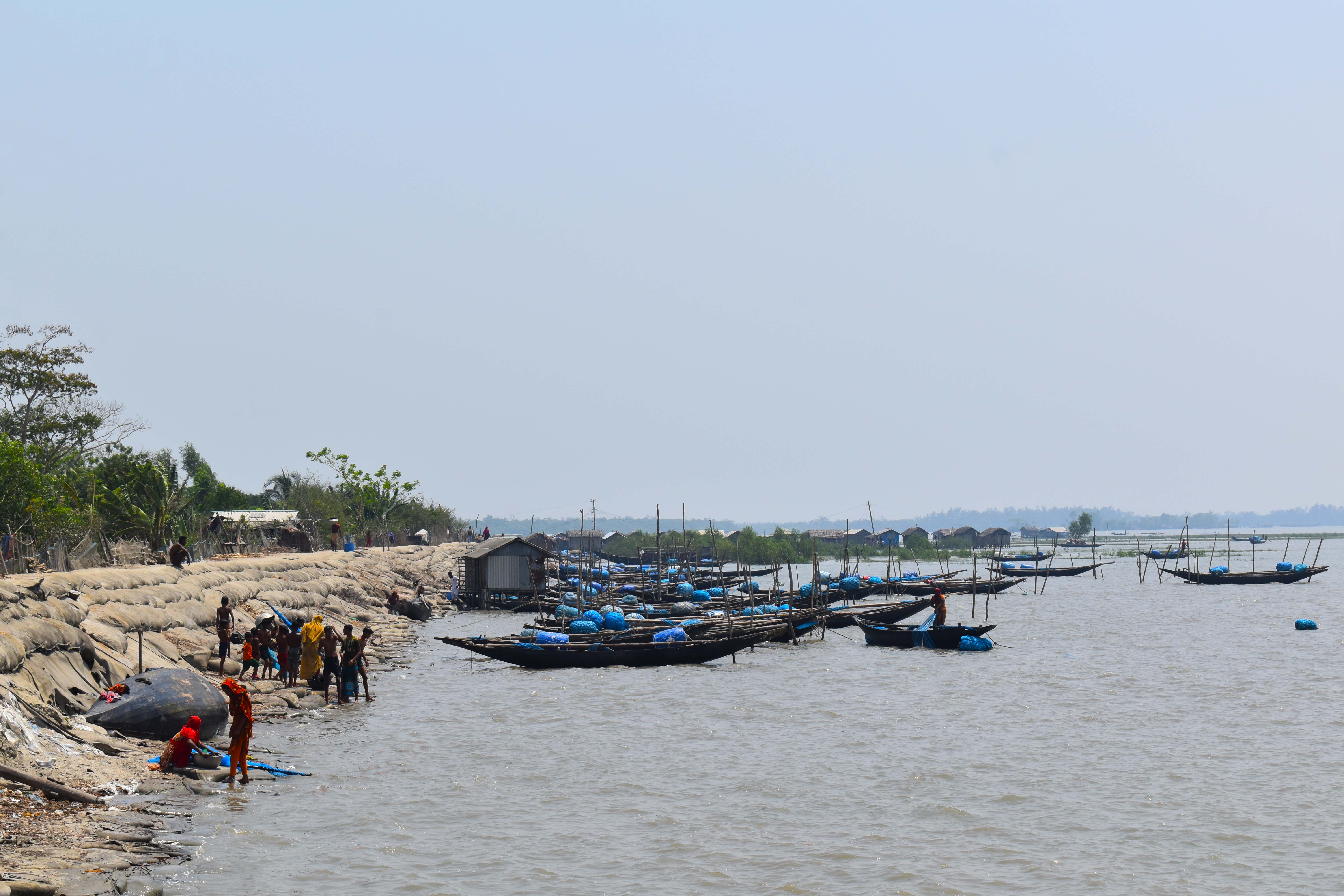
The Sundarbans is both a protector and a necessity for the people of Kalabogi. The forest provides fish, crabs, shrimp, honey, and wood - resources that sustain livelihoods when no alternatives exist. Most households depend directly on the rivers and forest for survival, despite the risks involved. Fishing in tidal waters, collecting forest resources, and navigating wildlife zones are part of daily life. While the Sundarbans shields the village from cyclones to some extent, it also exposes people to dangers such as storms, crocodiles, and tigers. Still, the forest remains their only dependable source of income.
Yet, amid all hardships, the people of Kalabogi display extraordinary resilience. Families support one another during crises, rebuild together after disasters, and continue to hope for a more secure future. Their lives reflect the frontline reality of climate change - where rising salinity, erosion, and extreme weather directly shape human existence. Kalabogi’s story is not just about suffering; it is a call for attention, inclusion, and sustainable support. Addressing freshwater access, education, healthcare, and climate-resilient infrastructure is essential if villages like Kalabogi are to survive with dignity. Until then, Kalabogi remains a quiet witness to the untold sorrows of coastal life on the edge of the Sundarbans.

Lincon Mondal
About AuthorLincon Mondal is an enthusiastic explorer of the Magical Sundarbans Forest, an expert eco-guide, passionate amateur wildlife photographer, and ecotourism entrepreneur from Bangladesh. With years of hands-on experience in the Sundarbans, he specializes in organizing tailored nature trips, exclusive expeditions, research journeys, and providing full logistical support for documentaries and filmmaking projects. Deeply committed to responsible ecotourism and conservation, Lincon shares authentic stories, wildlife insights, and real forest experiences to inspire true nature lovers to understand and respect the world’s largest mangrove forest.
Leave A Comment
No comments yet. Be the first to comment!
Search
Categories
Latest News
-
Kalabogi: The untold sorr...
31 Oct 2025 -
Spotted Deer: The Jewel o...
31 Oct 2025 -
Dubla Islan: Life of the...
31 Oct 2025
Our Projects
Archives
Popular Tags
Explore Specialist Doctor Directories in Bangladesh
Finding the right specialist physician is now easier than ever. Browse through our recommended online doctor directories to access verified chamber locations, phone numbers, and appointment schedules across major cities in Bangladesh:
- Find detailed lists of expert physicians and medical specialists across Khulna at Doctor All Khulna.
- Discover top-rated doctors, visiting hours, and serial booking details on Top Doctor Khulna.
- Access verified chamber addresses and consultant listings via Doctor Khulna.
- Explore reliable regional healthcare services and practitioner info on Doctor Khulna Net.
- Check out patient-recommended specialist profiles and clinic information at Best Doctor Khulna.
- Locate leading hospital consultants and specialist doctors in the capital at Doctor Dhaka.
- Search for top surgeons, medicine experts, and diagnostics in Dhaka city using Dhaka Doctor.
- Find chamber locations and phone numbers for leading physicians on Doctor Rajshahi.
- Explore specialist doctor directories and medical resources in Rangpur at Doctor Rangpur.