
Sundarbans Honey-Hunting & Forest Life
- 2 Days
- 6 Pax
- Conservation & Special Expeditions
Tour Overview
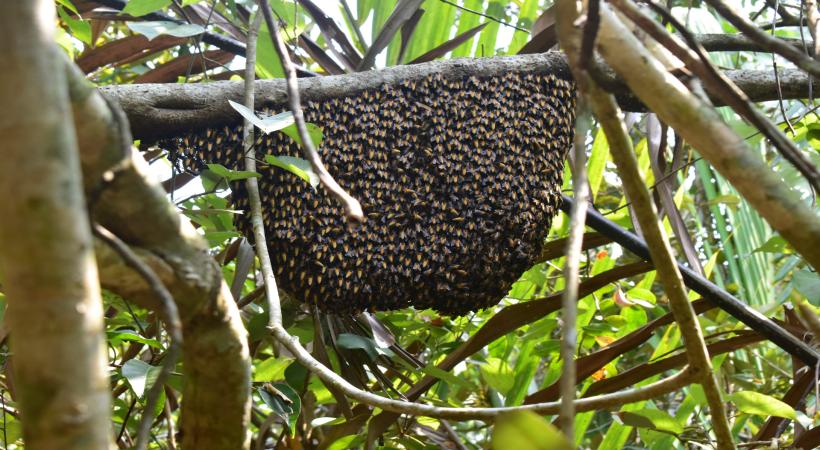
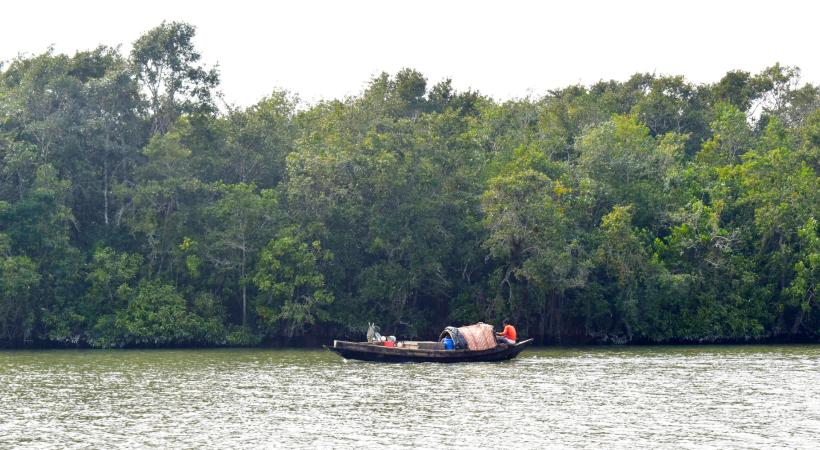
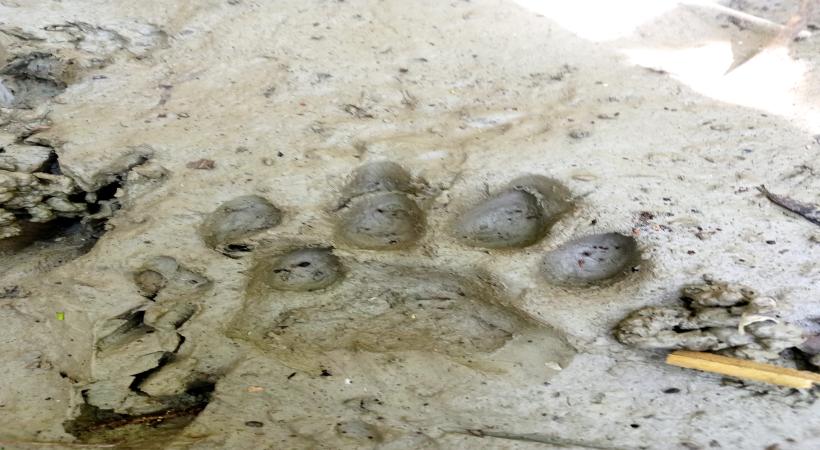
Witness an exclusive 2-day cultural immersion into the heart of the Sundarbans, where you will live alongside the Mawalis (traditional honey collectors) during the sacred honey harvesting season. Available only in March, when the Bangladesh Forest Department grants special permits for honey collection, this tour offers a rare glimpse into one of the world's most dangerous and ancient professions. Deep within the world's largest mangrove forest and UNESCO World Heritage site, you will witness the complete honey hunting ritual—from the preparation of traditional tools to the heart-stopping moment when collectors face wild bees and the ever-present threat of the Royal Bengal Tiger.
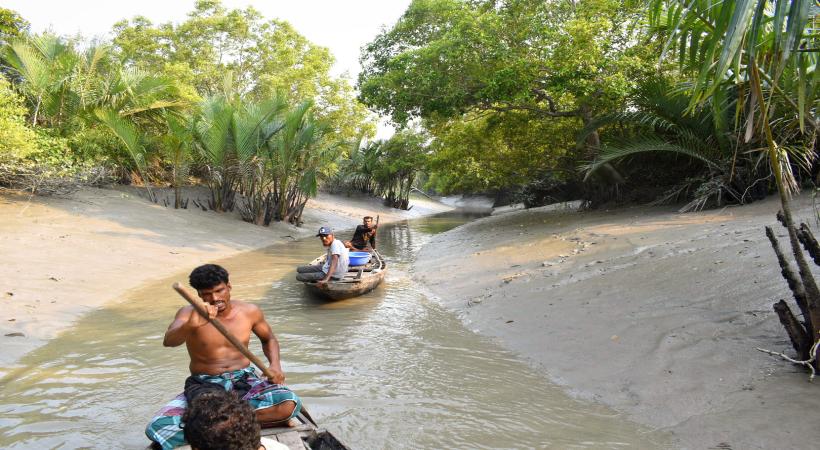
This is not a typical wildlife safari; it is a cultural and anthropological journey into the lives of the Banojibi (forest dwellers) who have harvested nature's golden nectar for generations. Led by experienced Mawalis, you will observe how they pray to Bonbibi, the forest guardian revered by both Hindus and Muslims, before venturing into the dense mangroves. You will watch them craft the Karu (smoke-producing broom) from tiger fern leaves, track wild bee colonies, climb towering trees to reach massive hives, and gently extract honey using traditional methods that ensure the bees' survival. This tour offers profound insights into the syncretic traditions, raw courage, and sustainable practices of a fading livelihood, all while surrounded by the breathtaking beauty of the Sundarbans .
Key Highlights Included
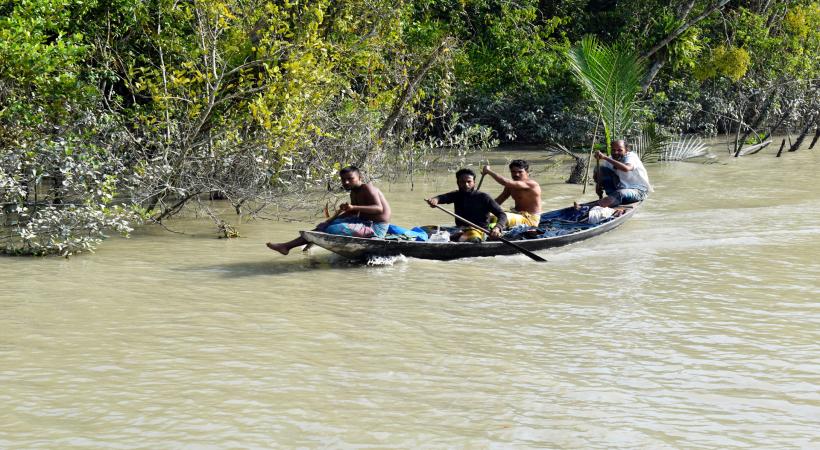
● Live with Mawali Families: Stay overnight in a forest camp alongside traditional honey collectors, experiencing their daily rituals and way of life.
● Witness the Complete Honey Hunting Process: From crafting the Karu (smoke broom) to climbing trees, cutting hives, and squeezing honey into pots.
● Bonbibi Rituals & Traditions: Observe the pre-hunt prayers and offerings made to Bonbibi and Dakshin Rai for protection from tigers .
● Guided Forest Trek: Venture into dense mangrove zones with experienced Mawalis who track bee colonies by observing bee movements .
● Traditional Tool Making: Learn how Mawalis prepare Karu from tiger fern (hantal) leaves to produce smoke that calms and removes bees from hives .
● Tree Climbing Demonstration: Watch skilled collectors ascend tall sundari trees using only ropes and traditional techniques to reach hives at dangerous heights .
● Honey Extraction & Tasting: Observe the careful cutting of honeycombs and the squeezing of raw, unfiltered Sundarbans honey into clay pots. Taste the unique, tangy, less-sweet mangrove honey fresh from the comb .
● Cultural Exchange: Hear real stories of tiger encounters, survival, and the deep spiritual connection between Mawalis and the forest .
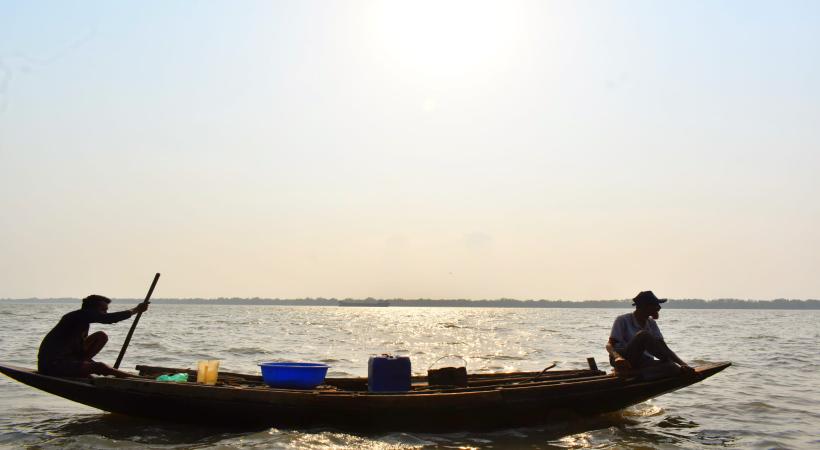
● Sunset & Sunrise on the River: Experience the ethereal beauty of the Sundarbans waterways during golden hours.
● All Necessary Permits: Forest Department permissions for honey collection observation included.
Tour Details
Package Includes
Your 2-day immersion into the world of Sundarbans honey hunters is designed for authentic cultural exchange while ensuring your safety and comfort in the remote forest environment.
Accommodation & Meals:
⚬ Accommodation on a liveaboard boat anchored near the collection site.
⚬ All meals included from Day 1 breakfast to Day 2 afternoon snacks, featuring authentic Bengali dishes prepared by local cooks.
⚬ Simple forest meals with locally sourced ingredients, reflecting the Mawali diet.
⚬ Unlimited tea, coffee & drinking water available 24/7.
Expert Guidance & Entry:
⚬ Services of an experienced Mawali sardar (group leader) throughout the tour and experienced English speaking natural local ecoguide, providing firsthand knowledge of honey hunting traditions and forest safety .
⚬ All necessary government permissions, forest entry fees, and special honey collection observation permits.
⚬ Services of a professional boat crew for river transport.
Core Experiences & Activities:
All activities as per the detailed itinerary, including:
⚬ Traditional Bonbibi prayer ritual observation.
⚬ Karu (smoke broom) making demonstration using tiger fern leaves.
⚬ Forest trek to track wild bee colonies and search honey comb by silent country boat cruising.
⚬ Tree climbing and honeycomb cutting demonstration.
⚬ Honey extraction and tasting session.
⚬ Cultural storytelling session with Mawalis.
⚬ Sunset and sunrise river cruises.
Package Excludes
For complete transparency, please note the following items and services are not included in the base tour package price:
Transportation:
⚬ Pick-up and drop-off from your city hotel or agreed meeting point in Khulna/Mongla. However, we can gladly arrange this service for you at an additional cost upon request.
⚬ Single Room/Private Cabin Supplement: An additional fee applies for guests preferring single occupancy.
Personal Expenses:
⚬ Any personal expenditures, including souvenirs, additional beverages beyond standard offerings, or phone calls.
⚬ Tips or gratuities for the Mawalis, guide, and boat crew (always appreciated but at your discretion; we recommend pooling as a group to honor their expertise and courage).
Additional Activities:
⚬ Any activities or excursions not explicitly mentioned in the "Package Includes" section or the standard itinerary.
Need Transport or Other Arrangements?
We are happy to assist! Please contact us in advance to seamlessly organize your pick-up, drop-off, or any other additional services for a worry-free journey from start to finish.
Food and Accommodation
Your comfort and authentic experience are our priority throughout this 4-day Sundarban journey. We provide a unique "liveaboard" setup, where your floating home takes you deep into the heart of the mangrove wilderness.
Accommodation Onboard
Stay in a traditional, yet comfortable, liveaboard vessel designed for river navigation. All cabins are secure and provide essential bedding. You can choose from the following cabin configurations to best suit your needs:
● Standard Shared Cabin: Equipped with secure bunk beds. Ideal for solo travelers or friends.
● Private Twin/Double Cabin: Features a double bed or two single beds. Perfect for couples or travelers seeking privacy.
● Deluxe Private Cabin: Includes a double bed and a private attached bathroom (subject to boat availability).
Please note: Cabins are cozy and functional, prioritizing the immersive outdoor experience. Electricity is typically available for several hours in the evening via generator for charging essential camera gear and lighting.
Dining Onboard
Savor the flavors of the delta with freshly prepared meals served in the boat's dining area or on the open deck with panoramic views.
● Full Board Plan: Enjoy three hearty meals (breakfast, lunch, dinner) and two light snacks daily, starting with lunch on Day 1 and concluding with evening snacks/dinner on Day 4. We offer flexible early breakfast options to accommodate pre-dawn birding starts.
● Local Cuisine: Meals predominantly feature fresh, local ingredients and traditional Bengali cooking (both vegetarian and non-vegetarian options are available). Expect to taste locally caught fish and regional specialties.
● Beverages: Unlimited tea, coffee, and safe drinking water are available 24/7.
All food is prepared with high standards of hygiene by our onboard cook. Please inform us of any specific dietary requirements (e.g., vegan, allergies) at the time of booking so we can accommodate you wherever possible.
What to bring
● Camera with Zoom Lens (100-400mm recommended for capturing tree-climbing action from distance)
● Extra Camera Batteries & Memory Cards
● Binoculars (For observing wildlife and bees from a safe distance)
● Headlamp or Flashlight (with extra batteries; essential for pre-dawn activities)
● Comfortable, Neutral-Colored Clothing (Long sleeves and pants for mosquito and bee protection)
● Sturdy, Non-Slip Footwear (For forest treks and wet boat decks)
● Heavy Duty Boot shoe.
● Broad-Brimmed Hat & Sunglasses
● High-SPF Sunscreen & Insect Repellent (High DEET content recommended)
● Reusable Water Bottle
● Small Backpack (For carrying essentials during forest treks)
● Notebook & Pen (For recording stories and experiences)
● Personal First-Aid Kit & Any Prescribed Medications
● Face Mask or Bandana (Helpful if you are sensitive to smoke during the Karu demonstration)
● Raincoat/Poncho (Essential during monsoon months)
Getting there
-
The gateway to your Sundarbans honey hunting adventure is the city of Khulna or the port town of Mongla. The most common and convenient route from Dhaka is by road.
⚬ The journey from Dhaka to Khulna/Mongla takes approximately 5-6 hours by air-conditioned luxury coach.
⚬ Overnight bus services from Dhaka are readily available, offering a time-efficient travel option.
Our tour officially begins with boarding the liveaboard boat at the designated ghat (jetty) near Mongla. Detailed reporting instructions will be provided upon booking confirmation.
From 650.00 USD/Person
Tour Itinery
Day One: Arrival & Mawali Rituals
Your journey begins with an early morning departure from Khulna/Mongla, cruising deep into the Sundarbans mangrove forest. Upon meeting your Mawali hosts, you will witness the sacred Bonbibi prayer ritual—a syncretic tradition where both Hindu and Muslim collectors unite to seek protection from the forest guardian before venturing into tiger territory . After settling into the forest camp or liveaboard boat, you will observe the crafting of the Karu, a traditional smoke-producing broom made from tiger fern (hantal) leaves, essential for calming and removing bees from hives . The afternoon is dedicated to a guided forest trek alongside experienced Mawalis, who demonstrate how they track wild bee colonies by observing the movement of honey-loaded bees returning to their hives . As dusk settles, gather around a small fire for cultural storytelling, where Mawalis share firsthand accounts of tiger encounters, survival stories, and the spiritual connection between their communities and the mangrove wilderness .
Day Two: Honey Harvest & Extraction
Awake before dawn to join the Mawalis as they prepare for the day's harvest. After a light breakfast, you will venture by boat to a previously identified zone where active hives hang from towering sundari trees. Watch in awe as skilled collectors climb to dangerous heights using only traditional techniques, armed with knives and smoke-producing Karu to gently remove the honeycombs while minimizing harm to the bees . From a safe distance, you will observe the entire process: the careful cutting of combs, the collection in steel vessels, and the descent with the golden treasure. Back on the boat or at camp, witness the honey extraction as combs are crushed and squeezed, releasing the raw, unfiltered Sundarbans honey into clay pots—a rich, amber liquid with a distinctive tangy, less-sweet profile prized in international markets . You will have the opportunity to taste the honey fresh from the comb, experiencing flavors unique to the mangrove ecosystem. The afternoon is spent cruising back through the labyrinthine waterways, reflecting on the courage and ancient wisdom you have witnessed, before disembarkation and departure.
Thinks to keep in mind
Terms and Conditions
By booking this tour, you acknowledge and agree to the following terms for a safe and respectful experience:
⚬ Tides & Weather: The itinerary, activity timings, and routing are subject to change based on tidal conditions, weather, and safety considerations. The tour operator reserves the right to modify the schedule for the safety of guests and to ensure the best possible experience.
⚬ Wildlife Encounters: The Sundarbans is a pristine natural habitat. While our Mawali guides expertly navigate the forest, tiger encounters are possible but never guaranteed. All safety protocols must be strictly followed.
⚬ Safety & Compliance: All guests must follow the guide's and Mawalis' instructions at all times, especially during forest treks and near bee colonies, for personal and group safety.
⚬ Respect for Culture: Guests are expected to behave respectfully toward the Mawali community, their traditions, and their living spaces. Photography of individuals requires consent.
⚬ Liability: The operator is not liable for any personal injury, loss, or damage to personal property arising from participation in tour activities, except where due to proven negligence.
Your understanding and cooperation ensure a respectful and secure adventure for everyone.
Cancellation Policy
We understand plans can change. Our clear and fair cancellation policy is designed for transparency.
Guest-Initiated Cancellations
⚬ 21+ Days before departure: Full refund.
⚬ 14–20 Days before departure: 50% refund.
⚬ 7–13 Days before departure: 25% refund.
⚬ Less than 7 Days / No-Show: No refund.
● Operator-Initiated Cancellations: If we must cancel a tour due to unforeseen operational reasons, you will receive a full refund or the option to reschedule.
● Weather & Safety Conditions: Tours may be modified or canceled for safety due to severe weather, tidal conditions, or government advisories. You will receive a full refund or a rescheduled date.
● Itinerary Changes: For safety, wildlife movements, or operational necessities, the itinerary may be altered. No refunds are provided for such necessary changes.
For all cancellation requests or inquiries, please contact our customer service team via email or WhatsApp.
Other Information
To ensure a safe, respectful, and smooth experience for all, please review these final guidelines.
Safety First
⚬ Always follow the instructions of your Mawali guide and the boat crew.
⚬ Maintain a safe distance during honey collection activities; bees can become agitated despite the smoke.
⚬ Crucially, please inform us of any relevant medical conditions, allergies (especially to bee stings), or dietary restrictions before the tour begins.
Protect Our Environment
⚬ Help preserve the pristine Sundarbans by using provided bins for all waste. Strictly no littering.
⚬ Observe wildlife from a safe distance without disturbing their natural habitat.
⚬ We encourage you to minimize single-use plastic; consider bringing a reusable water bottle.
Photography Etiquette
⚬ Cameras are highly recommended to capture this unique cultural experience.
⚬ Please ask permission before photographing Mawalis or community members up close.
⚬ Avoid using flash photography near bees or wildlife.
Cultural Respect
⚬ We kindly ask you to be mindful of and respect local customs and traditions.
⚬ The Bonbibi rituals are sacred to the Mawalis; observe quietly and respectfully.
Timing & Connectivity
⚬ Punctuality is appreciated to keep the tour schedule smooth for everyone.
⚬ Daily activities start early (pre-dawn) to maximize the honey collecting window.
Please note: Mobile network connectivity is very limited or unavailable once we are deep within the forest. Prepare to disconnect and immerse yourself fully in this ancient way of life.
Thank you for your cooperation in helping us preserve both the Sundarbans ecosystem and the cultural heritage of its Mawali communities.
Gallery
Frequently Asked Questions
The Bangladesh Forest Department grants special permits for honey collection only during a specific season, typically from March to mid-June. March marks the beginning of this season when the weather warms and flowers bloom, making it the optimal time for Mawalis to venture into the forest. Outside this period, honey collection is prohibited to protect bee populations and allow regeneration..
Your safety is our highest priority. The Mawalis have generations of knowledge about forest navigation and animal behavior. They perform protective rituals to Bonbibi before every venture and maintain constant vigilance. During honey collection, you will observe from a safe distance recommended by the experts. The smoke from the Karu significantly calms the bees, and Mawalis are highly experienced in avoiding agitation. Tiger encounters are rare but possible; you will always remain in the group and follow the Mawalis' instructions strictly..
For safety reasons and to respect the Mawalis' expertise, guests observe rather than participate in the actual climbing and cutting. These activities require years of experience, physical strength, and intimate knowledge of tree stability and bee behavior. However, you will have an unobstructed view of the entire process and can assist with non-dangerous tasks like holding equipment or tasting the fresh honey..
Sundarbans honey is distinct from commercial honey—it is less sweet, slightly tangy, and thinner in consistency, with a greenish-amber hue derived from mangrove flowers. It is raw, unfiltered, and retains all natural enzymes and antioxidants. Yes, you will have the opportunity to purchase freshly collected honey directly from the Mawalis at the end of the tour, supporting their livelihood directly. We recommend bringing cash for this purpose..
This tour involves early mornings, forest treks on uneven terrain, and basic living conditions (especially if choosing the forest camp option). It is best suited for adventurous travelers in good health who are comfortable with rustic conditions and long days. Please discuss any concerns with us before booking so we can advise on suitability..
Bonbibi is the guardian deity of the Sundarbans forests, believed to be the daughter of a Muslim fakir from Mecca. She is revered by both Hindu and Muslim forest users as the protector against tigers (represented by the demon king Dakshin Rai). This syncretic tradition has united communities in the Sundarbans for centuries, transcending religious boundaries. Witnessing the Bonbibi rituals offers profound insight into the unique cultural fabric of the region..
From 650.00 USD/Person
Explore Specialist Doctor Directories in Bangladesh
Finding the right specialist physician is now easier than ever. Browse through our recommended online doctor directories to access verified chamber locations, phone numbers, and appointment schedules across major cities in Bangladesh:
- Find detailed lists of expert physicians and medical specialists across Khulna at Doctor All Khulna.
- Discover top-rated doctors, visiting hours, and serial booking details on Top Doctor Khulna.
- Access verified chamber addresses and consultant listings via Doctor Khulna.
- Explore reliable regional healthcare services and practitioner info on Doctor Khulna Net.
- Check out patient-recommended specialist profiles and clinic information at Best Doctor Khulna.
- Locate leading hospital consultants and specialist doctors in the capital at Doctor Dhaka.
- Search for top surgeons, medicine experts, and diagnostics in Dhaka city using Dhaka Doctor.
- Find chamber locations and phone numbers for leading physicians on Doctor Rajshahi.
- Explore specialist doctor directories and medical resources in Rangpur at Doctor Rangpur.